Fall Cleanup Roadmap for Sioux City Iowa Homeowners
Essential Fall Lawn Preparation for Iowa Weather Patterns
Sioux City's unique location along the Missouri River creates specific challenges for fall lawn care that require strategic timing and thorough preparation. Your lawn faces the dual pressures of early frost cycles and heavy leaf accumulation from the mature tree canopy throughout residential neighborhoods like Morningside and Leeds. Understanding these local conditions helps you develop an effective cleanup strategy that protects your investment in healthy turf.
The transition from active growing season to dormancy happens quickly in northwest Iowa, typically beginning in early October when nighttime temperatures consistently drop below 40 degrees. This compressed timeline means your fall cleanup actions must be both comprehensive and timely to ensure spring recovery success.
Professional Fall Cleanup services understand the specific timing requirements for Sioux City's climate zone, where the first killing frost usually arrives between October 10th and 25th. This narrow window requires careful orchestration of multiple cleanup tasks to maximize their effectiveness.
Leaf Management Strategies for Heavy Fall Loads
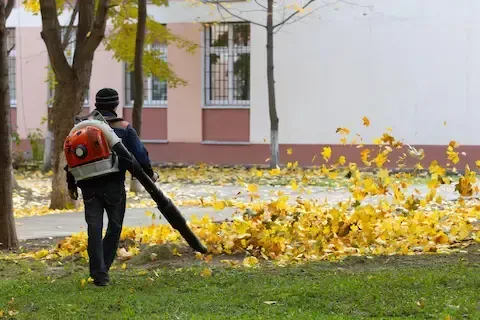
Sioux City's abundant oak, maple, and cottonwood trees create substantial leaf loads that can quickly overwhelm unprepared lawns. The key to successful leaf management lies in understanding that different tree species drop their leaves at varying times throughout the fall season, requiring multiple removal sessions rather than a single cleanup event.
Early-dropping trees like ash and cottonwood begin shedding leaves in late September, while oak trees often retain foliage well into November. This staggered timeline means effective leaf removal requires at least three separate collection periods to prevent grass smothering and fungal disease development.
Heavy leaf accumulation blocks essential sunlight and traps moisture against grass crowns, creating ideal conditions for snow mold and other winter diseases. Areas under large trees in neighborhoods like Riverside and Stone Park require particularly aggressive leaf removal to maintain turf health through the dormant season.
Consider mulching lighter leaf loads directly into the lawn using a mulching mower when leaf layer thickness remains under one inch. This technique works particularly well with smaller leaves like those from honey locust trees, which break down quickly and provide natural soil enrichment.
Critical Timing for Final Mowing Operations
Your final mowing height significantly impacts winter survival rates and spring green-up timing. Sioux City's harsh winter conditions require grass height of approximately 2.5 to 3 inches going into dormancy, providing adequate crown protection without encouraging snow mold development.
The timing of your last mow depends on grass type and current growth rates. Cool-season grasses common in Sioux City typically require their final cut between October 15th and November 1st, when growth rates slow but before complete dormancy sets in. Cutting too late removes protective leaf tissue, while cutting too early allows excessive growth that becomes vulnerable to winter damage.
Monitor soil temperature rather than air temperature for mowing decisions. When soil temperatures consistently remain below 50 degrees at the four-inch depth, grass growth essentially stops, indicating the appropriate time for final mowing operations.
Proper Edging and Trimming Practices for landscape beds and walkways should also be completed during this final mowing period to create clean lines and remove potential overwintering sites for pests and diseases.
Fertilization and Soil Amendment Applications
Fall fertilization provides the foundation for robust spring recovery and improved winter hardiness. Sioux City's heavy clay soils benefit significantly from late-season potassium applications that strengthen cell walls and improve cold tolerance throughout the dormant period.
Apply winterizer fertilizer between October 1st and October 30th, when grass is still actively absorbing nutrients but air temperatures consistently remain below 60 degrees. This timing allows maximum nutrient uptake while avoiding late-season growth spurts that reduce winter hardiness.
Soil compaction from summer traffic requires attention during fall cleanup operations. Core aeration performed in early to mid-October addresses compaction while allowing better water infiltration during fall rains and spring snowmelt. The clay-heavy soils common throughout Sioux City benefit tremendously from this mechanical loosening.
Consider lime applications based on soil test results, particularly in areas where acid-loving trees like oaks have influenced soil pH. Fall lime applications have several months to begin pH adjustment before the next growing season begins.
Irrigation System Winterization Requirements
Sioux City's freeze-thaw cycles create significant risks for irrigation systems that aren't properly winterized. Underground pipes and sprinkler heads can suffer catastrophic damage when water freezes and expands, leading to expensive spring repairs and water waste.
Professional system blowouts should be completed before the first hard freeze, typically occurring by November 10th in the Sioux City area. This process removes residual water from all system components using compressed air to prevent freeze damage.
Above-ground components like backflow preventers and exposed piping require additional protection through insulation or removal. The temperature fluctuations common during Sioux City winters make these components particularly vulnerable to repeated freeze-thaw damage.
Shut off water supply to irrigation systems and drain any accessible lines manually before professional winterization. This preliminary step reduces the volume of water requiring removal and can prevent emergency damage if unexpected early freezes occur.
Preventive Pest and Disease Management
Fall cleanup activities play a crucial role in reducing pest and disease pressure for the following growing season. Removing fallen leaves, diseased plant material, and debris eliminates overwintering sites for many common lawn and garden problems.
Fungal diseases like dollar spot and brown patch often survive winter in organic debris left on the lawn surface. Thorough cleanup removes these inoculum sources and significantly reduces disease pressure during the following spring emergence period.
Grub populations reach their peak feeding activity during fall months before moving deeper into the soil for winter. Surface applications of beneficial nematodes during October can provide biological control while grubs remain near the surface and vulnerable to treatment.
Perimeter treatments around foundation plantings help control overwintering insects seeking shelter in and around structures. Focus particular attention on south-facing exposures where insects naturally congregate during temperature fluctuations.
Equipment Maintenance and Storage Preparation
Proper equipment care during fall cleanup extends machinery life and ensures reliable spring startup. Sioux City's variable winter conditions require thorough preparation to prevent corrosion and mechanical problems during extended storage periods.
Drain all fuel from small engines or add fuel stabilizer to prevent varnish buildup and carburetor damage. Ethanol-blended fuels common in Iowa create particular problems during storage and require either complete removal or high-quality stabilizer treatment.
Change oil in mowers and other four-cycle engines before storage to remove combustion byproducts that can cause internal corrosion during dormant periods. Fresh oil provides better protection against moisture and acid formation during extended storage.
Clean and sharpen cutting blades after the final mowing to prevent rust formation and ensure optimal performance when spring operations resume. Sharp blades also reduce stress on grass plants during the critical spring recovery period.
Long-term Landscape Health Planning
Fall cleanup provides an excellent opportunity to assess overall landscape health and plan improvements for the following growing season. Document problem areas, drainage issues, and plant performance while conditions remain fresh in memory.
Evaluate tree and shrub health during leaf drop when structural problems become clearly visible. Winter is an ideal time for pruning deciduous trees, and identifying issues during fall cleanup allows for proper scheduling of necessary work.
Plan any landscape modifications or additions during the dormant season when installation causes minimal disruption to existing plantings. Fall assessment helps prioritize projects and budget for spring implementation.
Consider the relationship between mature trees and lawn health when planning future improvements. Areas of heavy shade or root competition may benefit from alternative groundcover options rather than continued grass maintenance struggles.
