February Driveway Snow Routines in Sioux City Iowa
February in Sioux City is not the beginning of winter fatigue — it is peak winter fatigue. By the time the second month of the year arrives, most homeowners have already shoveled more than a dozen times, used half a bag of ice melt, and made at least one trip to the hardware store for a replacement shovel handle. What worked in November starts to feel exhausting by mid-February, and that is exactly when snow routines matter most. A consistent, thought-out approach to managing your driveway through February keeps your home safe, reduces wear on your body and equipment, and helps you avoid the snowbank-turned-ice-dam situations that plague driveways all across Sioux City every single year.
Why February Snow Behaves Differently Than December Snow
Early winter snowfall in Sioux City tends to be lighter and drier. February changes that pattern. The moisture content in February storms is often higher, which means the snow is heavier per shovel load and bonds more aggressively to concrete and asphalt surfaces. When temperatures dip below zero — which northwest Iowa regularly sees in February — that bonded snow turns into a surface ice layer that standard shoveling cannot remove without additional intervention. You are no longer just moving snow. You are managing an evolving surface condition that changes every few hours depending on temperature swings and wind.
Storm stacking is another February reality. Sioux City can receive multiple snowfall events within the same week, and when that happens, the base layer from the first storm often gets compacted by foot traffic and vehicle tires before the second storm even arrives. This creates layered ice and snow combinations that are far more difficult to clear than fresh powder on a bare surface. Understanding this pattern changes how you plan your clearing schedule.
Building a Weekly Driveway Routine That Holds Up
The most effective February approach is not reactive — it is rhythmic. Rather than waiting for a storm to pass completely before you start clearing, experienced Sioux City homeowners break the work into smaller intervals. If a storm drops two inches, then pauses for four hours, then drops another three inches, clearing during the pause prevents you from moving five inches of compacted material at the end. This interval approach is especially valuable on longer driveways where a single heavy push can be physically demanding.
Your weekly routine should include at minimum three check-ins on your driveway surface even on days with no snowfall. Temperature fluctuations in February frequently cause snowmelt during afternoon hours that refreezes overnight. A quick walk across your driveway at dusk on a clear day can tell you whether that afternoon melt left a glaze you need to treat before morning. This takes five minutes and can prevent a slip-and-fall the following day when temperatures drop back below freezing.
If you rely on a professional Driveway Snow Clearing service, February is the time to confirm your trigger depth and service frequency. Many Sioux City providers set default triggers at two inches of accumulation, but in a heavy February storm week, you may want to adjust that threshold to one inch so clearing happens before surface bonding takes hold. Talk to your provider at the start of the month rather than after a problem develops.
Equipment Rotation and Maintenance in Mid-Winter
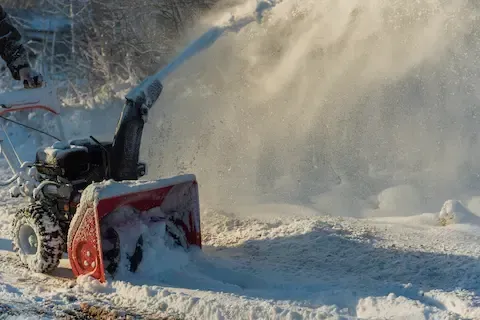
By February, every piece of driveway clearing equipment has been stressed. Shovel blades wear down or crack. Snow blower auger paddles develop flat spots. Scraper edges dull. This is the month when equipment failure is most common and most costly — not because the equipment is old, but because it has been used heavily without maintenance checks.
Walk through a quick inspection of everything you rely on. Check your snow blower's shear pins and have replacements on hand, because hitting a frozen chunk of ice or a buried sprinkler head in February is common. Inspect the scraper bar on the bottom of your snow blower chute housing, as a worn scraper leaves a thin film of snow that bonds overnight and compounds your ice problem. For shovels, check the blade edge for bends or cracks that force you to work harder on each pass.
Having a backup tool matters in February. If your primary snow blower breaks mid-storm — which happens — having a sturdy shovel and a metal ice scraper means you are not waiting in a buried driveway for a repair appointment. Sioux City hardware stores can sell out of replacement parts during prolonged cold stretches, so stock extras in January while supplies are reliable.
Salt and Ice Melt Strategy When Storms Stack Up Fast
Ice melt becomes less effective as temperatures drop below fifteen degrees Fahrenheit, which is a common overnight low in Sioux City during February. At those temperatures, standard rock salt works slowly and requires much heavier application to produce meaningful results — which damages concrete over time and increases salt runoff into lawns and landscaping. A better approach is to use a calcium chloride or magnesium chloride product for sub-fifteen-degree conditions, reserving rock salt for near-freezing temperatures where it performs efficiently.
Pre-treating is more valuable in February than any other month. Applying a thin layer of ice melt before a storm arrives reduces the bond between fresh snow and your driveway surface, making post-storm clearing significantly easier. For Sioux City homeowners managing long or sloped driveways, this pre-treatment step cuts clearing time noticeably. The key is applying it no more than two hours before precipitation begins — too early and it washes away or gets buried without effect.
Know your driveway surface before choosing products. Older concrete in Sioux City neighborhoods — particularly in established areas near downtown or in older residential corridors — can be more vulnerable to salt damage because the concrete has micro-cracks from years of freeze-thaw cycling. On these surfaces, limiting total salt applications and rinsing any residue during a warm spell can extend the life of the concrete considerably. You can also read more about timing and surface considerations in our guide on How Long Driveway Snow Clearing takes under different conditions.
Keeping the End of Month in Sight
February in Sioux City does not end gently. The final week of the month can still deliver heavy snowfall, and March often brings its own round of late-season storms. Treat your February routine as a system you are refining, not just surviving. The habits you build now — interval clearing, surface checks, equipment maintenance, smart salt use — carry directly into March and reduce the total labor the full season demands. By maintaining consistency through the hardest weeks of winter, you arrive at spring with a driveway in better shape and a significantly lower risk of the cracked, stained, and salt-damaged surfaces that too many Sioux City homeowners have to address come April.
