Sioux City Snow Removal Strategies for Winter Weather
Understanding Sioux City's Winter Weather Patterns
Sioux City's location in northwestern Iowa creates unique winter challenges that demand strategic snow removal planning. The city experiences Zone 5a climate conditions, with average snowfall ranging from 28 to 35 inches annually. Temperature fluctuations between subfreezing conditions and brief warming periods create ice formation concerns that complicate removal efforts.
The Missouri River valley's influence on local weather patterns means Sioux City residents face unpredictable storm timing and intensity. Lake-effect snow from nearby water bodies can create localized heavy accumulations in certain neighborhoods while leaving others relatively clear. Understanding these microclimates helps property owners develop more effective removal strategies.
Wind patterns across the Great Plains funnel through Sioux City's street grid, creating significant drifting problems. Areas near Riverside Boulevard and the Big Sioux River corridor experience particularly challenging drift accumulation that requires specialized removal approaches.
Seasonal Planning and Equipment Selection
Successful snow removal begins with autumn preparation and equipment evaluation. Properties in Sioux City benefit from multi-tier removal systems that can handle everything from light dustings to major blizzard conditions. Single-stage snow blowers work effectively for sidewalks and smaller driveways with accumulations under six inches.
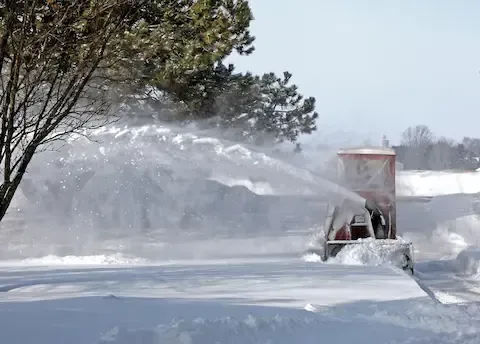
Two-stage snow blowers become necessary for larger properties and heavier snowfall events common in Sioux City winters. These machines handle wet, heavy snow that often follows initial snowfall when temperatures rise above freezing. Properties with circular or curved driveways need equipment with good maneuverability to navigate tight spaces efficiently.
Professional Snow Removal services bring commercial-grade equipment including truck-mounted plows, salt spreaders, and specialized ice management tools. This equipment handles the challenging conditions found along busy corridors like Hamilton Boulevard and Gordon Drive where traffic compaction creates stubborn ice layers.
Hand tools remain essential backup options during equipment failures or for detail work around delicate landscaping. Ergonomic snow shovels, ice choppers, and push-style snow pushers provide flexibility when mechanical equipment cannot access tight spaces or when power outages disable electric tools.
Strategic Removal Timing and Techniques
Timing snow removal efforts around Sioux City's weather patterns maximizes efficiency and reduces total workload. Beginning removal during active snowfall prevents accumulation from becoming too heavy and reduces the effort required for final cleanup. This approach works particularly well during the extended snowfall events common in northwestern Iowa.
Temperature awareness guides removal technique selection. Snow removed during subfreezing conditions stays loose and manageable, while snow handled after partial melting becomes dense and difficult to move. Properties facing south or west experience earlier melting, creating timing opportunities for easier removal.
Wind direction considerations become crucial in Sioux City's exposed prairie environment. Removing snow against prevailing winds creates immediate redeposition problems, while working with wind patterns helps move snow to appropriate storage areas. Monitoring weather forecasts helps identify optimal removal windows between storm systems.
Multiple smaller removal sessions during extended snowfall events prove more effective than single large cleanup efforts. This approach prevents snow from becoming too compacted by foot traffic or vehicle movement, particularly important for businesses along busy streets like Pierce Street or Stone Avenue.
Property-Specific Considerations
Residential properties in Sioux City's established neighborhoods face unique removal challenges related to mature tree coverage and varied lot orientations. Properties in areas like Riverside or Leeds neighborhoods deal with additional leaf debris mixed with snow, requiring modified removal approaches that separate organic matter from snow.
Commercial properties along major thoroughfares must coordinate removal efforts with city snow clearing schedules to prevent snow from being pushed back onto cleared areas. Properties near Floyd Boulevard or Singing Hills Boulevard often require multiple daily removal efforts during active storm periods to maintain accessibility.
Slope management becomes critical for properties on Sioux City's hillside areas near the Missouri River bluffs. These locations require careful attention to ice formation and may need enhanced traction materials to maintain safe access. Gravity-assisted removal techniques can help move snow downhill efficiently when properly planned.
Storage area planning prevents common mistakes that create spring drainage problems. Snow piled against building foundations or over drainage systems creates water damage risks when melting begins. Proper storage locations consider both immediate access needs and eventual melt water management.
Ice Management and Safety Protocols
Ice formation presents ongoing challenges throughout Sioux City's winter season, requiring proactive management strategies beyond basic snow removal. Rock salt application works effectively at temperatures above 15 degrees Fahrenheit, but alternative materials like calcium chloride become necessary during extreme cold snaps common in northwestern Iowa.
Application timing influences ice control effectiveness significantly. Pre-treating surfaces before anticipated freezing rain or snow events prevents ice formation, requiring less material and effort than post-storm treatment. This proactive approach works particularly well for high-traffic areas like driveways and main walkways.
Surface material considerations guide ice control product selection. Concrete surfaces tolerate most deicing materials, while natural stone, decorative pavers, or vegetation areas need gentler treatment options. Sand provides traction without chemical concerns but requires spring cleanup efforts.
Safety equipment becomes essential during ice removal activities. Non-slip footwear, appropriate lighting, and emergency communication devices help prevent accidents during removal operations. Working in pairs or maintaining regular check-in schedules adds safety redundancy during challenging conditions.
Equipment Maintenance and Storage
Preventive maintenance schedules keep snow removal equipment functional throughout Sioux City's demanding winter season. Engine maintenance including oil changes, spark plug replacement, and fuel system cleaning should occur before first snowfall. Cold weather starting procedures become routine requirements for reliable equipment operation.
Blade and auger maintenance ensures efficient snow movement and prevents equipment damage from hidden obstacles like newspaper delivery boxes or decorative elements. Regular lubrication of moving parts prevents freeze-up problems during extreme cold periods common in northwestern Iowa winters.
Storage considerations protect equipment investments and ensure availability when needed. Indoor storage prevents moisture accumulation and temperature-related starting problems. Fuel management including stabilizer addition prevents carburetor problems that commonly develop during storage periods.
Backup planning addresses equipment failures during critical snow events. Identifying local rental sources, repair facilities, or neighbor cooperation arrangements provides alternatives when primary equipment becomes unavailable. Service contacts for professional removal services offer emergency backup options during major storm events.
Environmental and Community Considerations
Sioux City's storm water management systems require careful consideration during snow removal planning. Avoiding snow placement over storm drains prevents flooding problems during spring melt periods. Understanding local drainage patterns helps identify appropriate snow storage locations that work with natural water flow.
Neighbor cooperation creates community-wide efficiency improvements and safety benefits. Coordinated removal timing, shared equipment resources, or mutual assistance arrangements help elderly or disabled residents maintain property access. These informal networks often prove crucial during major storm events that overwhelm individual capabilities.
Environmental responsibility guides product selection and application practices. Minimizing salt usage protects local vegetation and reduces groundwater contamination concerns. Alternative materials like organic-based ice melts provide effective results with reduced environmental impact, particularly important near the Big Sioux River watershed.
City ordinance compliance ensures proper removal practices and prevents violations that could result in fines or service interruptions. Understanding local requirements for sidewalk clearing timelines, snow storage restrictions, and ice control obligations helps property owners avoid legal complications while maintaining community standards.
Long-term Strategy Development
Successful snow removal requires multi-season planning that accounts for equipment lifecycle, budget considerations, and changing property needs. Tracking removal costs, time investments, and effectiveness helps optimize strategies and identify areas for improvement in future seasons.
Weather pattern analysis over multiple years reveals trends that influence equipment selection and timing strategies. Sioux City's climate patterns show increasing variability, making flexible removal approaches more valuable than rigid single-method systems.
Technology integration including weather monitoring apps, equipment tracking systems, and automated scheduling tools helps optimize removal efficiency. These tools become particularly valuable for managing larger properties or coordinating multiple locations during widespread storm events.
Professional service evaluation provides objective assessment of removal needs and cost-effectiveness comparisons. Regular consultation with experienced removal contractors helps property owners understand when DIY approaches remain practical versus when professional services provide better value and reliability for Sioux City's challenging winter conditions.
