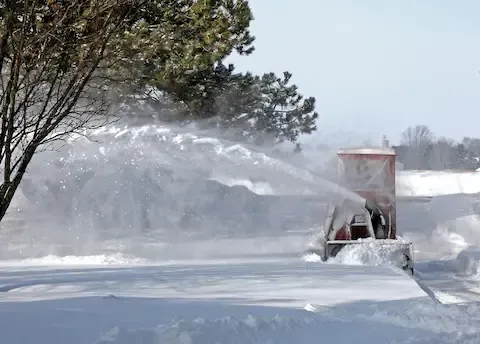
Early Winter Snow Removal Checklist for Sioux City
Most Sioux City winters hit harder than people expect. One week you're raking leaves, and the next you're buried under six inches of wet, heavy snow with a snow blower that hasn't run since March. Getting ahead of winter before the first storm rolls in off the Missouri River corridor is the difference between a manageable season and a frustrating one. This checklist walks you through everything you should be doing in early November — before the ground freezes and before every hardware store in town runs out of ice melt.
Inspect and Service Your Snow Removal Equipment
Your snow blower, shovels, and any other equipment you own need attention before they're urgently needed. Start with your snow blower if you have one. Change the oil, check the belts for cracking or wear, inspect the auger paddles, and make sure the fuel system is clean. If it sat all summer with gas in the tank, drain it and refill with fresh fuel — old gasoline degrades and causes starting problems in cold temperatures.
Check your hand tools as well. Shovels with cracked handles or bent blades should be replaced now, not after your first storm when every store has bare shelves. Sioux City winters regularly produce heavy, compacted snow that stresses cheap equipment quickly, so quality matters here.
- Change snow blower oil and spark plugs
- Test start the snow blower at least once before the first storm
- Inspect belts, auger paddles, and scraper bar
- Replace cracked or worn shovels and scrapers
- Check that extension cords and power outlets are functional if using an electric or battery-powered unit
Stock Ice Melt and Sand Early
Sioux City stores move through ice melt inventory fast once storm forecasts start circulating. Buying your supply in October or early November means you get the product you actually want rather than whatever's left. Look for calcium chloride or magnesium chloride-based products — these work at lower temperatures than sodium chloride and are less damaging to concrete surfaces over time.
Sand is worth keeping on hand too, especially for steep driveways and sidewalks where traction is the priority over melting. A mix of both gives you options depending on what the storm delivers — a thin glaze of ice calls for a different response than three inches of fresh snow.
Store your ice melt in a sealed container or a dry location like a garage or shed. Moisture causes clumping and reduces effectiveness, so keeping it dry from the start saves you headaches mid-season.
Clear and Prep Your Property Before Freeze
Walk your driveway, sidewalks, and parking areas now, while the ground is still workable. Look for cracks in concrete or asphalt that need sealing before freeze-thaw cycles make them worse. Fill any low spots where water pools and turns to ice. Move any yard items — garden hoses, decorative stones, outdoor furniture — that can become buried obstacles during snow removal.
Mark the edges of your driveway and any buried curbs with driveway stakes. In Sioux City, snowfall events can be heavy enough to completely obscure property boundaries, and unmarked edges lead to damaged lawn edges, buried sprinkler heads, and unnecessary concrete scraping. Put stakes in now while visibility is clear and the ground is soft enough to push them in easily.
Decide Whether You're Hiring a Contractor This Season
If you're considering professional snow removal help, early November is the right time to make that call — not after the first storm when every service is already booked. Local contractors in Sioux City fill their seasonal client lists before winter sets in. Waiting until December means you may end up on a waitlist or settling for a provider who doesn't know your property well.
Think about what level of service fits your situation. Some homeowners just want help with heavy accumulation events over four or five inches. Others want full-season contracts that cover every storm automatically. If you're managing a rental property, running a home business with client foot traffic, or have physical limitations that make shoveling difficult, a recurring service agreement makes the most sense. For information on how frequently professional service is typically needed throughout a Sioux City winter, How Often You Need Snow removal services is worth reviewing before you make that decision.
When evaluating providers, ask about their trigger depth — the accumulation level that triggers a visit — their response time for overnight storms, and whether they include salting or de-icing as part of the service. These details vary widely and matter a lot when you're trying to get your car out at 7 a.m. after a night storm.
If you decide to move forward with professional help this winter, Snow Removal services in Sioux City are available for both residential and commercial properties, with scheduling that can be arranged before the season starts.
Know Your Local Ordinances
Sioux City has sidewalk snow removal requirements that property owners are responsible for meeting. In most areas, you're required to clear public sidewalks adjacent to your property within a set window after a storm ends — typically 24 to 48 hours. Failing to do so can result in fines or city-arranged removal billed to the property owner.
If you live on a corner lot, this requirement applies to both sidewalk frontages. Check with the City of Sioux City's public works guidance to confirm current rules for your area. Knowing this in advance means you can plan accordingly — whether that means scheduling your own clearing or making sure your contractor's service agreement includes sidewalk work specifically.
Set Up a Storm Response Routine
One of the most practical things you can do is decide in advance how you'll respond to different storm types. A two-inch overnight dusting requires a different approach than an eight-inch storm that arrives during the day. Plan your routine now: where you'll push or pile snow, who handles the work if you're unavailable, and what your fallback is if equipment fails during a storm.
Sioux City winters run from November through March and regularly include freeze-thaw cycles that turn cleared surfaces icy again overnight. Build a habit of checking walks and driveways in the morning during those shoulder weeks rather than assuming one clearing lasts through the day. Preparation before the season is what makes that habit sustainable.
