
Seasonal Lawn and Snow Services for North Sioux City Homes
River Confluence Properties Face Unique Pressures
Properties across North Sioux City occupy ground shaped by the convergence of the Missouri and Big Sioux rivers, and that geographic reality influences everything from soil behavior to wind exposure to how snow accumulates on residential lots. The soil profile transitions across relatively short distances, with sandy alluvial deposits near the river corridors giving way to heavier loam further from the waterways, creating lawn conditions that vary from one street to the next. Turf growing in sandier soil drains quickly and stresses earlier during dry periods, while grass on heavier ground holds moisture longer but becomes waterlogged faster after heavy rain or rapid snowmelt in spring. This variability means that a mowing approach effective on one property may produce mediocre results two blocks away if the soil conditions are not accounted for individually. Wind exposure across North Sioux City is significant because the terrain offers little natural windbreak between the open river corridors and the residential areas along the I-29 corridor. During the growing season, that wind dries turf faster and increases evapotranspiration stress on grass blades. During winter, it drives snow laterally across exposed lots, creating drift accumulation patterns that concentrate material against structures, fences, and vehicle access points. Properties in newer developments with limited tree establishment feel this wind exposure more acutely than homes in areas where decades of tree growth provide some buffering.
Navigating Winter Along the Interstate Corridor
The winter maintenance challenge for North Sioux City properties is amplified by the community's position in the open terrain between the two river valleys. Cold air settles into the low-lying areas near the rivers, and overnight temperatures in these zones can run several degrees colder than properties on higher ground just a quarter mile away, accelerating ice formation on cleared surfaces and reducing the effective window for de-icing products. Homes along Gateway Drive and River Drive face direct exposure to wind coming off the Missouri River, which means freshly cleared driveways can collect new drift material within hours of being cleaned if weather conditions persist. The newer construction in developments around the Lakeshore Estates area and along Streeter Drive sits on open ground with young landscaping that provides essentially no wind protection, making these properties particularly vulnerable to heavy drift accumulation against garage doors and entry areas. Spring brings its own set of challenges as river-influenced groundwater levels rise during snowmelt season, saturating low-lying lawns and delaying the start of mowing operations until the ground firms up enough to support equipment. Coordinating lawn and snow services under one provider ensures that the crew clearing a driveway in February already knows the landscape layout from mowing it through summer, avoiding the damage to buried irrigation lines, landscape borders, and lawn edges that unfamiliar winter-only operators frequently cause.
Adaptive Mowing for Variable Soil Conditions
Mowing across North Sioux City requires adapting to the variable soil conditions that result from the area's position between two river systems. Properties on sandier ground near the Missouri or Big Sioux corridors need slightly higher mowing heights to help turf retain moisture through the blade's shading effect, while homes on heavier loam soils can tolerate standard heights without the same drought stress risk. Cool-season grass varieties including tall fescue and Kentucky bluegrass perform well across both soil types, but the mowing schedule needs to account for growth rate differences driven by soil moisture availability. During the peak growth period of May and June, grass on well-watered loam soils may need twice-weekly cutting to stay within the one-third rule, while sandier lots grow more slowly and maintain their weekly schedule. Edging along sidewalks, driveways, and landscape borders keeps residential properties looking sharp and prevents turf encroachment onto hard surfaces where it creates an unkempt appearance and tripping hazards. Properties in newer developments where tree establishment is still in progress receive full sun across the entire lot, which drives uniform but aggressive growth that demands consistent weekly attention during the main season. The mowing schedule runs from late April through mid-October, tapering from weekly to biweekly in late September before the final cut sets grass at the appropriate height for winter dormancy.
Wind-Aware Snow Clearing and De-Icing
Snow removal for North Sioux City properties has to account for the wind-driven drift patterns that define winter across this part of the Siouxland tri-state area. Open exposure along the I-29 corridor and the river valleys means that snowfall totals alone do not tell the story of what ends up on a given driveway or walkway. A six-inch snowfall can deposit two feet of drift material against a west-facing garage door while leaving the east side of the same property with just a few inches of even coverage. Clearing crews working in North Sioux City learn each property's drift tendencies through repeated visits and adjust their clearing direction to push snow in ways that resist re-accumulation from continued wind. Driveway clearing extends to the full surface width, followed by walkways connecting the house to the street and all entry points including front stoops and side door access. De-icing application after clearing addresses the refreeze risk that runs high in this area because of the cold air pooling effect that occurs near the river corridors overnight. Products selected for effectiveness at extreme low temperatures outperform standard rock salt during the coldest weeks and reduce the number of hazardous ice conditions that develop between clearing events. Seasonal contracts provide guaranteed response timing and priority service that keeps properties accessible throughout each winter event cycle.
Seasonal Cleanup for River Corridor Properties
Seasonal transition work across North Sioux City addresses the specific challenges that the river corridor environment creates during the fall-to-winter and winter-to-spring windows. Fall cleanup begins when the first deciduous trees start dropping in late September, and properties with established canopies need thorough leaf removal before the organic material mats down on the turf surface. The wind exposure common across North Sioux City complicates this work because cleared leaves can blow back onto properties from neighboring lots and open areas, sometimes requiring an additional pass to catch wind-deposited material that arrived after the initial cleanup. The final fall mowing pass reduces grass height for dormancy and removes any remaining clippings or small debris from the turf surface. Spring transition is particularly sensitive in this area because river-influenced groundwater levels can keep low-lying lawns saturated well into April, delaying the start of mowing operations and extending the cleanup window. Crews assess each property for snow mold damage, thatch compaction, and winter debris before beginning raking and preparation for the first mow. Properties that received heavy drift loading during winter often show compressed turf areas where prolonged snow weight pushed material into the soil, and these areas need targeted attention to recover before the growing season gets underway. Getting this transition work done properly gives the lawn its best chance at a strong, even start.
Comprehensive Lawn Care And Snow Removal Services in Sioux City
Tailored to Your Needs
We provide complete residential lawn care and snow removal services for Sioux City homeowners and properties throughout the Siouxland tri-state area. Every service is built around the specific demands of our Zone 5a climate, from cool-season grass management through the 157-day growing season to reliable snow clearing through 36 inches of average annual snowfall. Here is what we offer.

Weekly residential mowing calibrated to Sioux City's Zone 5a cool-season grass varieties.
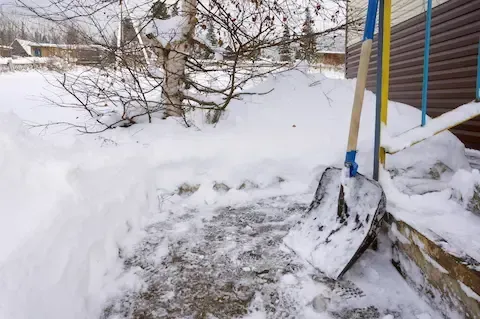
Front porches, steps, and walkways cleared and de-iced after every Sioux City snowfall.

Prepare your Sioux City lawn for winter with thorough fall cleanup before the first freeze.

Recover your Sioux City lawn from winter with professional spring cleanup and preparation.

Reliable residential snow removal for Sioux City homes averaging 36 inches of winter snowfall.

Concrete-safe de-icing products selected for Sioux City's extreme winter temperatures.

Clean edges and precise trimming that give your Sioux City lawn a polished, finished look.

Fast debris removal for Sioux City homes after storms and throughout every season.
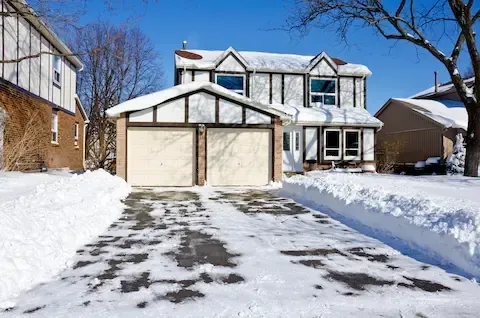
Full driveway clearing with street apron cleanup after every Sioux City snowfall event.

Keep your sidewalks clear and compliant with Sioux City snow ordinances all winter long.
Frequently Asked Questions
Lawn Care And Snow Removal can be complex, and we’re here to provide answers to common questions. Here are some frequently asked questions from our clients.
Frequently Asked Questions about Lawn Care And Snow Removal Sioux City Iowa
How often should I mow my lawn in Sioux City?
Most Sioux City lawns need weekly mowing from late April through mid-October. During the peak growing months of May and June, cool-season grasses like tall fescue and Kentucky bluegrass grow fast in our Zone 5a climate. We adjust mowing frequency based on growth rate and seasonal conditions so your lawn stays healthy without being scalped.
When should I schedule snow removal service?
We recommend scheduling snow removal before the first major snowfall, which typically hits Sioux City in late November or early December. With an average of 36 inches of snow each winter, having a plan in place before the season starts means your driveway and sidewalks get cleared promptly after every storm instead of waiting for last-minute availability.
Does Sioux City have sidewalk snow clearing rules?
Absolutely. Sioux City requires property owners to clear sidewalks within a reasonable time after snowfall ends. During Snow Emergency declarations, the city enforces odd-even parking restrictions across 500 miles of streets. We handle sidewalk and driveway clearing so you stay compliant without the backbreaking work.
When is the best time for fall cleanup in Iowa?
Fall cleanup should happen before the first hard freeze, which averages around October 1 in Sioux City. Removing leaves and debris before they mat down protects your grass through winter. Matted leaves trap moisture against the crown of the grass plant and create ideal conditions for snow mold and fungal diseases that show up in spring.
What areas do you service near Sioux City?
We serve residential properties throughout Sioux City and the surrounding Siouxland area, including South Sioux City, Sergeant Bluff, Dakota Dunes, Le Mars, and North Sioux City. Our tri-state coverage means we handle properties across the Iowa, Nebraska, and South Dakota border region.
What de-icing products do you use on driveways?
We use calcium magnesium acetate and calcium chloride products selected specifically for Sioux City's winter temperature range. Our average winter lows drop to around 9 degrees, so we choose de-icers that remain effective at those temperatures while being safer for the loess-based soils common throughout Woodbury County properties.
Need Lawn Care And Snow Removal?
What Our Satisfied Clients Have to Say About Sioux City Lawn & Snow
We pride ourselves on delivering great results and experiences for each client. Hear directly from home and business owners who’ve trusted us with their Lawn Care And Snow Removal needs.

They have been mowing our lawn since spring and the difference is night and day. The edging along our sidewalks is always crisp and they adjust the mowing height based on the season. When winter hit, they switched right over to snow removal without us having to find a separate company. Our driveway was cleared by 7 AM after every storm this winter.
Sarah M., Sioux City Homeowner
I used to shovel my own driveway and it was killing my back. These guys clear everything including the sidewalk and front steps, and they put down de-icer so it does not refreeze overnight. The seasonal contract pricing made sense for how much snow we get out here. Best decision I made last fall.
Tom R., Sergeant Bluff Resident
Having one company handle our lawn and snow removal year-round has been a game changer. They did our fall cleanup, transitioned right into snow removal, and were back for spring cleanup before the grass even started growing. The crew knows our property and they always do a thorough job. I recommend them to all our neighbors.
Linda K., Dakota Dunes Homeowner
The Trusted Lawn Care And Snow Removal Expert Near You
Ready to hear more about expert services at Sioux City Lawn & Snow?
Contact us today to receive a detailed, no-obligation quote.

Serving Sioux City & the surrounding area
24/7
