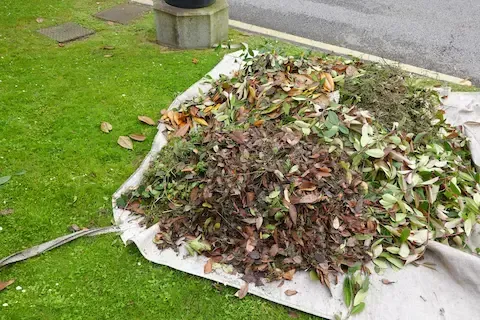
August Storm Debris Cleanup in Sioux City Iowa Yards
August in Sioux City brings some of the most intense storm activity of the year. When a summer wind event moves through Woodbury County, it often leaves behind more than a few scattered sticks. Heavy branches, stripped bark, torn shrubs, waterlogged mulch, and uprooted ground cover can pile up across a yard within a matter of hours. Getting that debris cleared quickly matters — not just for appearance, but for the health of your lawn underneath it all.
What August Storms Leave Behind in Sioux City Yards
Summer storms in northwest Iowa tend to arrive fast and leave a wide trail of damage. Unlike spring windstorms that primarily knock down dead wood, August storms often tear live material from healthy trees. That means heavier branch loads, green wood that's harder to cut, and leaves still attached to limbs that add significant bulk to debris piles.
Common storm debris categories after a summer event in Sioux City include:
- Large and mid-size branches from silver maple, cottonwood, and oak trees common in Sioux City neighborhoods
- Torn or snapped ornamental shrubs along fence lines and entryways
- Scattered twigs and leaf mass across lawn surfaces
- Displaced mulch washed or blown from planting beds
- Uprooted or leaning smaller trees and saplings
- Debris carried in from neighboring properties or alleyways
Storm events near the Missouri River corridor can also deposit a surprising amount of fine silt and organic matter across low-lying yards. If your property sits in a lower-elevation area of Sioux City — near the Riverside area or along the river bluff sections — expect a more layered cleanup job after heavy rain accompanies the wind.
Why Fast Cleanup Matters for Your Lawn
Every hour that debris sits on your grass creates risk. Branches and leaf piles trap moisture and block sunlight, which can cause turf to yellow and weaken within just a few days during the humid conditions that typically follow an August storm. In more severe cases, extended debris coverage leads to dead patches that require overseeding and weeks of recovery.
There's also a pest concern. Fresh storm debris — particularly bark-covered branches and damp leaf matter — creates ideal harborage for insects that wouldn't otherwise have reason to move toward your foundation or landscaping. Getting the material off your lawn and into a staging area quickly interrupts that cycle before it starts.
Fungal issues are another risk. August in Sioux City is warm and humid enough that debris left in place for more than two or three days can begin promoting fungal growth at the soil surface, particularly if the storm brought significant rainfall with it.
Safe Branch Handling After a Wind Event
Not every branch that falls during a storm is safe to handle immediately. Before you start dragging debris to the curb or into a pile, walk the yard carefully and look up. Hung branches — called widow makers by arborists — are limbs that were partially broken but are still suspended in the canopy above. These can fall without warning when disturbed or when wind picks up again.
For branches on the ground, work from the outer ends inward toward the main stem. This prevents branches from rolling or snapping unexpectedly as you cut or drag. Wear gloves and eye protection even for smaller material — freshly broken wood often has sharp exposed grain that causes more injury than people expect.
If a branch has landed on or near a utility line, a fence, or a structure, don't attempt to move it yourself. Flag it, stay clear, and call for professional assessment before touching anything connected to that piece of material. Debris Cleanup professionals have the equipment and training to manage these situations without putting you or your property at additional risk.
The Right Order for Clearing Storm Debris
Clearing a debris-heavy yard without a plan often results in more work, not less. The most effective approach moves from large to small and from hazardous to routine.
- Step one: Identify and flag any hanging limbs or debris near structures. Do not move anything connected to these areas until they're addressed.
- Step two: Remove large branches and any fallen tree sections first. These need to be cut into manageable sections and stacked at the curb or staging area before smaller debris can be efficiently cleared.
- Step three: Rake and collect the mid-size material — broken limbs under three inches in diameter, torn shrub material, and accumulated twig masses.
- Step four: Blow or rake the fine layer of leaves, bark fragments, and mulch off the turf surface.
- Step five: Inspect the lawn surface for ground damage — ruts, compressed areas, or spots where debris was dragged — and address those before they dry out and harden.
Lawn Repair After Heavy Debris Coverage
Once the debris is gone, take a close look at what's underneath. August storm cleanup often reveals turf damage that wasn't visible until everything was cleared. Common post-storm lawn conditions include:
- Yellowing or flattened grass in areas that were covered for more than 48 hours
- Exposed soil or bare patches where debris was dragged or where root systems were disrupted
- Compacted zones from foot traffic during the cleanup process itself
- Mulch displaced from beds and deposited on turf, creating coverage that needs to be removed
For yellowed turf, light raking to lift the grass blades followed by watering can often bring the lawn back within a week if the underlying root system is intact. For bare patches, late August is actually a reasonable window for overseeding in Sioux City — soil temperatures are still warm enough to support germination before fall sets in.
Understanding the full scope of what a storm leaves behind is the first step in Yard Debris Cleanup for Homeowners — from large branch removal to the fine detail work that protects your turf long-term.
Sioux City-Specific Hauling Considerations
Sioux City's yard waste pickup schedule doesn't accommodate emergency storm debris volumes on a standard cycle. After a major August event, the city typically issues guidance on special collection windows or drop-off options at the Metro Transfer Station on Line Drive. Staying current with announcements from the City of Sioux City Public Works department will save you from debris piling at the curb longer than necessary.
For large volumes — especially those involving significant tree material — a private hauling arrangement is often faster and more practical than waiting on a collection window. This is particularly true for properties in established neighborhoods like Morningside, Leeds, or North Sioux City where tree canopies are mature and storm loads can be substantial.
Moving Forward After the Storm
August storms are part of the seasonal reality for Sioux City homeowners. Having a cleanup approach that's systematic, safe, and attentive to lawn health underneath the debris makes a significant difference in how quickly your yard recovers. The goal isn't just a clean curb line — it's a lawn that comes out of the storm season in condition to handle fall and whatever the next growing season brings.
