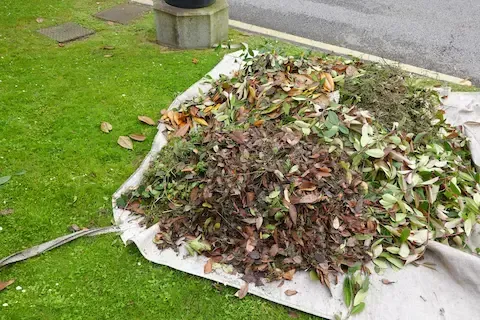
Yard Debris Cleanup for Sioux City Iowa Homeowners
Yard debris accumulates faster than most Sioux City homeowners expect, especially after Iowa's unpredictable weather patterns. Whether you're dealing with storm damage, seasonal leaf drop, or routine pruning waste, managing yard debris properly protects your property value and keeps your outdoor spaces functional. Understanding your disposal options, sorting techniques, and timing considerations helps you maintain a clean landscape year-round without overwhelming your schedule or budget.
Types of Yard Debris Common in Sioux City
Sioux City's climate creates distinct debris patterns throughout the year. Spring brings pruning waste from winter-damaged branches, along with accumulated leaves and twigs from storm runoff. Summer generates grass clippings, hedge trimmings, and occasional storm debris from Iowa's severe weather events. Fall produces the heaviest debris volume with leaf drop from mature trees, while winter storms create broken branches and ice damage.
Organic debris includes leaves, grass clippings, small branches, and garden waste. This material typically composts well and often qualifies for municipal collection programs. Non-organic debris encompasses larger branches, stumps, construction materials from outdoor projects, and damaged fencing or structures. Each type requires different handling approaches and disposal methods.
Hazardous debris requires special attention and includes anything treated with chemicals, diseased plant material, or debris contaminated with paint or other substances. Never mix hazardous materials with regular yard waste, as this contaminates entire loads and creates disposal complications.
Sorting and Preparation Strategies
Effective sorting starts during collection rather than after everything piles up. Create separate areas for different debris types as you work. Designate one area for compostable materials like leaves and small twigs, another for larger branches that need different disposal, and a third for any questionable materials requiring special handling.
Size sorting matters for both disposal efficiency and cost management. Bundle branches shorter than four feet and thicker than two inches separately from smaller twigs and brush. Many disposal services charge differently based on debris size and density. Loose leaves and grass clippings pack differently than woody material, affecting transportation and disposal costs.
Remove non-organic items immediately. Plastic plant tags, wire supports, metal stakes, and synthetic materials contaminate organic waste streams and create problems at composting facilities. Even small amounts of non-organic debris can result in rejected loads or additional fees.
Debris Cleanup services handle sorting and preparation as part of their standard process, but understanding proper techniques helps you communicate your needs clearly and potentially reduce service costs through preliminary organization.
Municipal Collection and Guidelines
Sioux City provides seasonal yard waste collection with specific guidelines that change throughout the year. Spring and fall collection runs typically accept bagged leaves, bundled branches, and loose brush placed at designated pickup points. Understanding collection schedules prevents debris from sitting curbside longer than necessary, which can attract pests and create neighborhood appearance issues.
Bag requirements vary by season and debris type. Paper bags work well for leaves and light organic material, while plastic bags may be required for wet or heavy debris. Bag weight limits typically range from 40 to 50 pounds to ensure safe handling by collection crews. Exceeding weight limits often results in tags or non-collection.
Branch bundling requirements specify maximum bundle size, usually four feet in length and 18 inches in diameter. Bundles must be tied with biodegradable string or wire, never plastic materials that interfere with processing equipment. Individual branches longer than bundle requirements need separate handling or professional removal.
Prohibited items for municipal collection include stumps, large logs, treated lumber, and debris mixed with construction materials. These items require private disposal or special collection arrangements that may involve additional fees.
Private Disposal Options
Professional debris removal services offer convenience and expertise for homeowners with large volumes, difficult access, or time constraints. These services typically provide complete cleanup, including collection, sorting, hauling, and proper disposal at appropriate facilities. Pricing usually depends on volume, debris type, and site accessibility.
Rental dumpsters work well for major cleanup projects or ongoing debris management. Yard waste dumpsters come in various sizes, from small containers suitable for seasonal cleanup to large units for major landscaping projects. Rental periods typically range from several days to weeks, providing flexibility for extended projects.
Self-hauling to disposal facilities offers cost savings for homeowners with appropriate vehicles and trailer access. Woodward County handles waste management for the Sioux City area, operating transfer stations that accept yard debris for reasonable fees. Facility hours, accepted materials, and fee structures vary, so checking current information before hauling prevents wasted trips.
Composting and Recycling Opportunities
On-site composting reduces disposal costs and creates valuable soil amendments for your landscape. Successful composting requires balancing carbon-rich materials like leaves and woody debris with nitrogen-rich materials such as grass clippings and food scraps. Proper ratios, moisture management, and regular turning create usable compost within several months to a year.
Community composting programs in the Sioux City area accept residential yard waste and convert it into finished compost available for purchase. These programs often provide more consistent results than home composting while supporting local sustainability initiatives. Drop-off locations and accepted materials vary by program, requiring advance research.
Wood recycling opportunities exist for clean, untreated branches and logs. Local sawmills, woodworkers, and biomass facilities sometimes accept suitable wood debris for processing into lumber, mulch, or fuel. Quality requirements are typically strict, excluding painted, treated, or diseased wood.
Fall Cleanup Roadmap for Homeowners provides additional guidance on preparing yard waste for various disposal and recycling options throughout the seasonal cycle.
Cost Management and Budgeting
Debris disposal costs vary significantly based on volume, disposal method, and timing. Municipal collection typically offers the lowest cost for routine maintenance debris, while professional removal services charge premium rates for convenience and comprehensive service. Understanding cost factors helps you choose appropriate methods for different situations.
Seasonal timing affects both availability and pricing for disposal services. Spring and fall represent peak demand periods when professional services charge higher rates and municipal collection may experience delays. Summer and winter often provide better pricing and availability for non-urgent cleanup projects.
Volume estimation helps control costs and ensures adequate service capacity. Professional services typically estimate costs based on truck loads or cubic yards, while municipal services charge by bag or bundle count. Accurate estimation prevents overordering services or discovering insufficient capacity mid-project.
Regular maintenance reduces overall disposal costs by preventing large accumulations that require expensive removal methods. Seasonal cleanup schedules that address debris regularly cost less than annual major cleanups requiring professional services or multiple rental containers.
Equipment and Safety Considerations
Proper equipment makes debris cleanup safer and more efficient. Hand tools like rakes, pruning shears, and loppers handle most routine cleanup tasks. Power equipment such as leaf blowers, chippers, and small chainsaws speed larger projects but require safety knowledge and protective equipment.
Personal protective equipment becomes essential when handling branches, thorny material, or debris from unknown sources. Work gloves, eye protection, and appropriate footwear prevent common injuries during cleanup activities. Long sleeves and pants protect against scratches and potential allergen exposure.
Vehicle and trailer considerations affect self-hauling options. Pickup trucks handle most residential debris loads, while larger volumes require trailers or multiple trips. Securing loads properly prevents road hazards and potential legal liability. Overloading vehicles creates safety risks and potential mechanical damage.
Tool maintenance keeps equipment functional throughout extended cleanup projects. Clean tools after each use, especially when working with diseased plant material that can spread problems to healthy plants. Sharp cutting tools work more safely and efficiently than dull equipment that requires excessive force.
Seasonal Planning and Prevention
Proactive landscape management reduces debris generation and simplifies cleanup when accumulation occurs. Strategic tree placement, species selection, and maintenance scheduling minimize problematic debris while maintaining attractive landscaping. Regular pruning prevents storm damage that creates emergency cleanup situations.
Weather monitoring helps homeowners prepare for debris-generating events before they occur. Iowa's severe weather patterns often provide advance warning through weather services, allowing time to secure loose materials and prepare cleanup equipment. Post-storm cleanup becomes more manageable with advance preparation.
Storage planning for seasonal debris helps manage accumulation between disposal opportunities. Designated areas for temporary debris storage keep cleanup organized while waiting for collection services or convenient disposal timing. Proper storage prevents pest attraction and neighborhood appearance issues.
Annual cleanup schedules coordinate with municipal collection periods and seasonal debris generation patterns. Spring cleanup addresses winter damage and prepares for growing season maintenance. Fall cleanup manages leaf drop and prepares landscapes for winter weather. Summer maintenance prevents accumulation during peak growing periods.
Professional Service Integration
Professional debris removal integrates well with comprehensive landscape maintenance programs. Services that combine regular lawn care, seasonal cleanup, and debris management provide consistent property appearance while streamlining contractor relationships. Bundled services often cost less than individual service contracts.
Communication with service providers ensures proper handling of specific debris types and disposal requirements. Clear expectations about scope, timing, and cleanup standards prevent misunderstandings and ensure satisfactory results. Written agreements protect both parties and provide reference for future services.
Quality assessment focuses on complete debris removal, proper disposal methods, and site restoration. Professional services should leave properties cleaner than initial conditions, with appropriate disposal documentation when required for insurance or municipal compliance.
Service scheduling coordinates with other maintenance activities and homeowner schedules. Flexible scheduling accommodates weather delays and unexpected debris generation while maintaining overall landscape appearance. Emergency services provide rapid response for storm damage or urgent cleanup needs.
