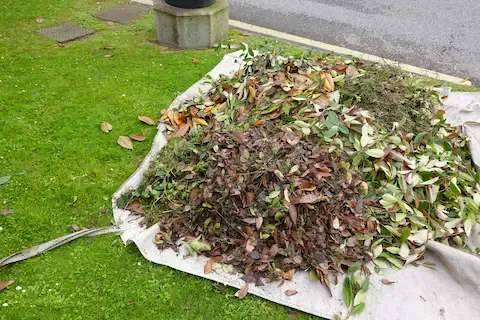
Branch and Limb Removal After Sioux City Storm Damage
After a Sioux City storm drops branches across your yard, the cleanup order matters as much as the work itself. Start by walking the property to assess what fell, identifying anything resting on structures, fences, or power lines before touching it. Clear smaller debris by hand first, then work up to limbs requiring cutting. Stack brush in manageable piles at the curb or a designated haul zone. Heavy limbs pinned under tension need to be released carefully to avoid kickback. If branches are near utility lines or larger than six inches in diameter, stop and call a professional crew.
How Do You Safely Walk the Property After a Storm?
Before picking up a single branch, do a full loop around your Sioux City property with nothing in your hands. Look up. Widow-makers — branches caught in the canopy that haven't hit the ground yet — are a leading cause of post-storm injuries in Woodbury County. Check the roofline, fence panels, and any outbuildings for branches that landed on top rather than beside them. If a limb is draped across a power line along your street or alley, do not approach it. Call MidAmerican Energy and wait for clearance before working anywhere near that zone.
What Order Should You Remove Debris In?
Working from small to large keeps your workspace clear and reduces trip hazards. Begin with loose leaves, twigs, and small sticks you can bundle by hand. Move those to a staging pile away from where you'll be cutting. Next, handle mid-size branches up to three inches in diameter using loppers or a handsaw. Finally, address larger limbs with a chainsaw only if you're trained and the limb is fully grounded with no tension. For Debris Cleanup on heavier loads, having a second person on-site to manage brush movement while you cut is a practical safety measure that speeds up the work significantly.
How Do You Cut a Limb Under Tension Safely?
Storm damage across Sioux City's older tree canopy — particularly the mature elms and oaks in neighborhoods like Morningside and Riverside — often leaves limbs bent under load or pinned beneath other wood. Cutting into a branch under tension without relieving that pressure first causes the saw to bind or the wood to snap back. The standard approach is a three-cut method: make an undercut about a third of the way through from below, then cut from above slightly further out, letting the limb drop in a controlled way. Only then make the final flush cut. This technique prevents bark stripping from the parent trunk and protects the tree's healing zone.
How Should You Stack and Haul Storm Branches?
Sioux City's curbside brush collection has size and bundling requirements that vary by neighborhood and season. Check with the city's public works schedule before stacking everything at the curb — some collection windows run only on specific weeks after major weather events. Bundle branches with the cut ends facing the same direction to allow crews to grab and load efficiently. Limbs over four inches in diameter are often excluded from standard pickup and require separate haul arrangements. For post-storm situations with large volume, coordinating a dedicated haul-out with a local debris crew is faster and avoids fines for non-compliant piles left at the curb.
When Should You Stop and Call a Professional?
There are clear thresholds where DIY branch removal in Sioux City becomes unsafe regardless of skill level. If a limb is larger than six inches across, a professional crew with proper rigging equipment should handle it. The same applies to anything over your roofline, resting on a structure, or within ten feet of a utility line. Tree work near structures in Woodbury County that goes wrong creates homeowner liability exposure in addition to physical risk. Reviewing what happened after August Storm Debris Cleanup in prior seasons shows that the jobs requiring emergency call-outs are almost always situations where someone started cutting before fully assessing the load and position of the limb.
What Do You Do With the Remaining Stump Cuts and Debris?
Once limbs are down and bundled, you're often left with cut sections too large for curbside collection and too small to split for firewood efficiently. Local drop-off at the Sioux City landfill or a yard waste facility handles this, but hauling round wood requires a truck or trailer. Some homeowners in the Floyd Boulevard corridor and along the river bluff areas have standing agreements with neighbors to split large wood sections for winter burning. If you're left with root balls or stump sections from trees that came down entirely, those require equipment — a stump grinder or loader — not hand tools.
