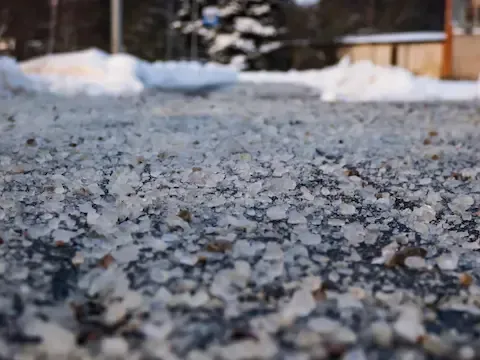
De-Icing Strategies for Sioux City Iowa Homeowners
Winter weather in Sioux City brings unique challenges that require strategic planning and the right approach to keep your property safe and accessible. The combination of fluctuating temperatures, heavy snowfall, and ice formation creates conditions that demand more than just throwing salt on your driveway. Understanding how different de-icing products work, when to apply them, and which methods protect your surfaces while ensuring safety will help you navigate the harsh Iowa winters with confidence.
Understanding De-Icing Product Types and Their Applications
Rock salt remains the most common de-icing product, but it's not always the best choice for every situation. Sodium chloride works effectively down to about 15°F, making it suitable for many Sioux City winter days. However, when temperatures drop below this threshold, rock salt becomes less effective and can even create a slippery mess.
Calcium chloride offers superior performance in extreme cold, working effectively down to -25°F. This makes it particularly valuable during Sioux City's coldest snaps when temperatures plummet well below zero. The product generates heat as it dissolves, melting ice faster than rock salt, but comes at a higher cost per pound.
Magnesium chloride provides a middle ground between effectiveness and surface safety. It works down to about -13°F and is gentler on concrete, vegetation, and metal surfaces compared to other chloride-based products. This makes it an excellent choice for areas around your landscaping or newer concrete installations.
Potassium chloride offers an eco-friendly alternative that doubles as fertilizer for your lawn come spring. While it only works effectively to about 25°F, it's ideal for areas where environmental impact is a concern and temperatures don't reach extreme lows.
Timing Your De-Icing Applications for Maximum Effectiveness
Pre-treatment application before a storm arrives provides the most effective ice control. Applying de-icer 12-24 hours before predicted snowfall or freezing rain prevents ice from bonding to surfaces, making subsequent snow removal much easier. This proactive approach works particularly well on driveways and walkways that receive regular foot traffic.
During active snowfall, light applications of de-icer can prevent accumulation from turning into packed ice. Focus on high-traffic areas like front walkways and the bottom of your driveway where snow tends to compact quickly. Avoid heavy applications during active precipitation, as fresh snow will dilute the product's effectiveness.
Post-storm treatment requires different timing considerations. Wait until you've removed the bulk of snow before applying de-icer to exposed ice patches. Early morning applications take advantage of solar heating throughout the day, while evening applications work overnight to break down ice formation.
Temperature monitoring helps determine the best application windows. Apply de-icers when temperatures are rising toward the effective range of your chosen product. This maximizes the melting action and prevents waste from applying products that won't activate in current conditions.
Surface-Safe Application Methods and Techniques
Concrete protection requires careful product selection and application methods. New concrete less than one year old needs special attention, as freeze-thaw cycles can cause significant damage. Use magnesium chloride or calcium chloride sparingly on new surfaces, and avoid rock salt entirely during the first winter.
Proper spreading techniques prevent over-application and surface damage. Use a broadcast spreader for large areas like driveways, applying products at manufacturer-recommended rates. Hand application works well for walkways and steps, but requires careful measurement to avoid excessive concentration in any one area.
Metal surface considerations include protecting railings, outdoor furniture, and vehicle parts from corrosive effects. Rinse metal surfaces with clean water after de-icing events to remove residual chemicals. Consider using sand for traction on metal steps or ramps where chemical de-icers might cause long-term damage.
Vegetation protection involves creating buffer zones between treated areas and sensitive plants. Salt spray and runoff can damage grass, shrubs, and trees even after winter ends. De-Icing near landscaped areas requires products like potassium chloride that won't harm plant roots when spring thaw begins.
Common Mistakes That Reduce De-Icing Effectiveness
Over-application ranks as the most frequent error homeowners make. More product doesn't equal better results, and excessive amounts can actually impede melting action while increasing environmental impact and costs. Follow label directions for coverage rates, typically measured in pounds per 1,000 square feet.
Wrong product selection for current conditions leads to disappointing results and wasted money. Using rock salt when temperatures are below its effective range creates a false sense of security while leaving dangerous ice intact. Match your product choice to both current and predicted temperatures.
Poor timing applications reduce effectiveness significantly. Applying de-icer to wet surfaces during active precipitation dilutes the product before it can work. Similarly, applying products to dry surfaces without moisture present prevents the chemical reaction needed for ice melting.
Inadequate storage practices compromise product effectiveness before you even apply it. De-icing products absorb moisture from the air, causing clumping and reduced spreading ability. Store products in sealed containers in dry locations to maintain their effectiveness throughout the winter season.
Local Considerations for Sioux City Winter Conditions
Sioux City's location along the Missouri River creates unique microclimates that affect de-icing strategies. Areas closer to the river often experience slightly warmer temperatures due to the water's moderating effect, while inland neighborhoods may be several degrees colder. This variation means that a product working well in one part of town might be ineffective just a few miles away.
Wind patterns across the Loess Hills region can create significant snow drifting and ice accumulation in sheltered areas. Properties on the west side of Sioux City often face stronger winds that can blow de-icing products away before they become effective. These areas may require more frequent applications or physical barriers to keep products in place.
Municipal water considerations become important when choosing de-icing products, as runoff eventually reaches local water treatment facilities. Sioux City's water system handles typical residential de-icing runoff, but excessive use of certain products can impact treatment processes. Consider this when selecting products and application rates.
Soil conditions in the Sioux City area vary significantly, with some neighborhoods having clay-heavy soils that don't drain well. Poor drainage can concentrate de-icing chemicals in specific areas, potentially causing damage to landscaping when spring arrives. Snow Removal Strategies for Winter should account for these drainage patterns when planning de-icing applications.
Professional Considerations and When to Seek Help
Large property management requires equipment and expertise beyond typical homeowner capabilities. Driveways longer than 100 feet, multiple walkways, or properties with complex drainage patterns benefit from professional assessment and treatment plans. Professional services have access to commercial-grade products and application equipment that ensure even coverage and optimal results.
Liability concerns make professional service valuable for rental properties or homes with frequent visitors. Slip-and-fall incidents on inadequately treated surfaces can result in significant financial and legal consequences. Professional de-icing services typically carry insurance coverage that protects property owners from these risks.
Specialized surface requirements, such as decorative concrete, natural stone, or expensive landscaping, need expert evaluation before treatment. Some surfaces require specific products or application methods that aren't obvious to homeowners. Professional assessment can prevent costly damage while maintaining safety.
Emergency response capabilities become crucial during severe weather events. Professional services often operate 24/7 during winter storms, providing rapid response when conditions change quickly. This level of service ensures your property remains accessible regardless of timing or weather severity.
Long-Term Strategy Development for Winter Preparedness
Seasonal planning begins in early fall with product procurement and equipment maintenance. Purchase de-icing supplies before the first snowfall to avoid shortages and price increases that typically occur during active winter weather. Calculate your property's square footage to determine appropriate quantities for the entire season.
Equipment investment includes spreaders, storage containers, and protective gear for safe application. Manual spreaders work well for most residential properties, while larger areas might justify wheeled broadcast spreaders. Proper storage containers prevent moisture absorption and extend product life.
Documentation practices help refine your approach each year. Keep records of which products work best in different conditions, application rates that provide good results, and areas of your property that require special attention. This information becomes valuable for making purchasing decisions and improving effectiveness over time.
Budget planning accounts for both routine applications and emergency situations. Winter severity varies significantly from year to year, and having financial resources available for additional products or professional services during extreme weather protects your property investment and ensures family safety throughout the challenging Iowa winter months.
