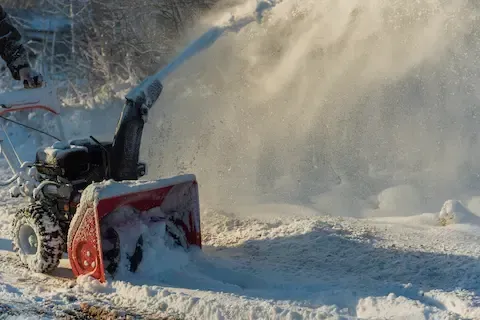
Driveway Plowing After Heavy Sioux City Snowstorms
Heavy snowstorms in Sioux City create unique challenges for driveway plowing that go far beyond standard winter maintenance. When the Missouri River valley experiences significant snow accumulation combined with prairie winds, residential driveways often become impassable trenches filled with compacted snow and ice. Understanding proper post-storm plowing techniques ensures safe vehicle access while preventing costly damage to your driveway surface and surrounding landscaping.
Assessing Post-Storm Driveway Conditions
Before beginning any plowing operation after a heavy Sioux City snowstorm, conduct a thorough assessment of your driveway's current state. Snow depth measurements should be taken at multiple points, as prairie winds create uneven accumulation patterns that can vary dramatically across your property. Pay particular attention to areas near your garage door and the street connection, where drifting typically creates the deepest snow loads.
Check for hidden obstacles that may have been covered during the storm. Newspaper boxes, decorative elements, and even small vehicles can become buried under heavy snow accumulation. Ice formation beneath the snow layer requires special attention, as it affects both plowing technique and equipment selection. Document any pre-existing damage to your driveway surface, as post-storm conditions can worsen existing cracks or settlement issues.
Temperature considerations play a crucial role in timing your plowing efforts. When temperatures hover near freezing, recently plowed surfaces can quickly become skating rinks. Conversely, extremely cold conditions make snow removal easier but increase the risk of equipment damage and personal injury.
Strategic Snow Pile Placement Techniques
Effective snow pile placement becomes critical after heavy storms when dealing with large volumes of snow that must be stored somewhere on your property. Traditional pile locations near driveway edges may not accommodate the increased volume from major snowfall events. Consider creating temporary storage areas in open lawn sections, ensuring adequate distance from septic systems, wells, and foundation drainage areas.
Plan your pile locations with spring melting in mind. Driveway Snow Clearing operations should direct meltwater away from structures and toward appropriate drainage areas. Avoid placing snow piles against fences, trees, or shrubs where the weight and extended melting period can cause damage.
Create access corridors between major pile areas to allow for additional snow placement during subsequent storms. Sioux City's winter weather patterns often produce multiple significant snowfall events, making pile management an ongoing strategic consideration throughout the season.
Equipment Selection and Safety Protocols
Heavy snow loads require appropriate equipment selection that differs significantly from routine maintenance plowing. Standard residential snow blowers may struggle with deep, compacted snow that has been compressed by wind and temperature cycling. Consider renting or hiring equipment specifically designed for heavy-duty snow removal when dealing with accumulations exceeding twelve inches.
Safety protocols become exponentially more important during post-storm operations. Visibility remains compromised for hours or days after major snowfall events, making street access dangerous. Coordinate your plowing schedule with municipal snow removal efforts to avoid conflicts with city equipment operating in your neighborhood.
Personal protective equipment requirements increase during heavy snow operations. Ensure adequate traction devices for footwear, high-visibility clothing, and emergency communication devices are readily available. Cold weather exposure times should be limited, with regular warming breaks scheduled during extended plowing sessions.
Professional Contractor Coordination
When hiring professional snow removal services for post-storm driveway clearing, timing coordination becomes essential for effective service delivery. Driveway Snow Clearing for Homeowners requires understanding contractor priorities and scheduling constraints during peak demand periods following major storms.
Establish clear communication protocols with your chosen contractor regarding access requirements, pile placement preferences, and completion timelines. Professional services typically operate on priority systems during storm events, with emergency access needs taking precedence over routine clearing requests.
Contract terms should address heavy snow surcharges and equipment limitations that may affect service delivery during extreme weather events. Many contractors adjust their pricing structure for storms exceeding specific accumulation thresholds, reflecting the increased time and equipment requirements for effective snow removal.
Common Post-Storm Plowing Mistakes
Attempting to clear heavy snow accumulation in single passes represents one of the most common mistakes homeowners make following major snowstorms. Deep snow requires systematic removal in layers, working from the top down to prevent equipment overload and ensure complete clearing. Rushing the process often results in incomplete removal and creates safety hazards.
Ignoring ice layer formation beneath snow accumulation leads to inadequate clearing and dangerous walking surfaces. Post-storm driveway maintenance requires addressing both snow removal and ice management simultaneously. De-icing applications should follow plowing operations to ensure maximum effectiveness.
Failing to maintain clear drainage pathways during snow removal operations can create significant problems during spring melting periods. Blocked drainage areas result in water accumulation that can damage driveway surfaces and create ice hazards during temperature fluctuation cycles.
Long-Term Surface Protection
Heavy snow events place significant stress on driveway surfaces that extends beyond the immediate storm period. Freeze-thaw cycles following major snowfall can exacerbate existing surface damage and create new problems if proper post-storm maintenance is neglected. Consider applying protective sealers before winter seasons to minimize moisture penetration and reduce freeze damage potential.
Monitor your driveway surface throughout the winter season for signs of damage that may require spring repair attention. Heavy plowing operations can inadvertently cause surface gouging or edge damage that compromises long-term durability. Early identification allows for appropriate protective measures and repair planning.
Document any damage that occurs during storm events or subsequent clearing operations for insurance and warranty considerations. Photographic evidence of pre-storm conditions and post-storm damage provides valuable documentation for potential claims or contractor discussions.
Maintaining Emergency Access
Post-storm driveway management must prioritize emergency vehicle access while balancing practical clearing limitations. Emergency services in Sioux City require minimum access width standards that may exceed typical residential driveway clearing practices. Coordinate with local emergency services to understand access requirements for your specific neighborhood and property configuration.
Develop contingency plans for situations where immediate complete driveway clearing may not be feasible due to extreme conditions or equipment limitations. Partial clearing strategies that maintain essential access while allowing for systematic complete clearing as conditions improve represent practical approaches to post-storm management.
Consider the needs of elderly residents, individuals with mobility limitations, and essential service providers when planning post-storm clearing priorities. Community coordination during major snow events often proves more effective than individual property management approaches.
