Driveway Snow Clearing for Sioux City Iowa Homeowners
When winter storms blanket Sioux City with snow, your driveway becomes the critical link between your home and the outside world. Effective driveway snow clearing requires understanding Iowa's variable winter conditions, choosing the right equipment and techniques, and timing your efforts for maximum efficiency. The right approach protects your driveway surface while ensuring safe access throughout the season.
Understanding Sioux City's Snow Clearing Challenges
Sioux City's continental climate brings unpredictable winter weather patterns that demand flexible snow clearing strategies. Temperature fluctuations can create ice layers beneath fresh snow, while wind patterns across the Missouri River valley often redistribute snow after initial clearing. Your driveway's orientation, slope, and surface material all influence how snow accumulates and how challenging removal becomes.
Concrete driveways handle snow clearing differently than asphalt surfaces. Concrete tolerates aggressive scraping better, while asphalt requires gentler techniques to prevent surface damage. Gravel driveways present unique challenges, as traditional plowing can scatter stones and create uneven surfaces. Understanding your specific driveway type helps determine the most effective clearing approach.
Storm timing significantly impacts clearing difficulty. Snow that falls during temperature swings creates layers of varying density and hardness. Early morning clearing often deals with overnight temperature drops that create crusty surfaces, while midday clearing may encounter partially melted and refrozen sections. Professional Driveway Snow Clearing services understand these timing factors and adjust techniques accordingly.
Equipment Selection for Different Snow Conditions
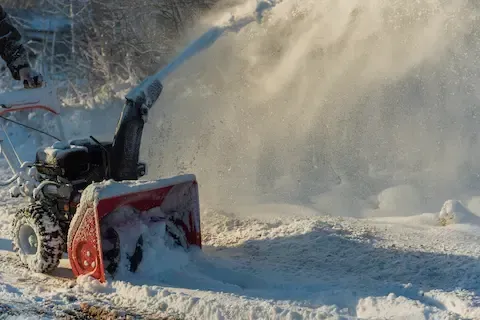
Snow blowers excel in powdery conditions but struggle with wet, heavy snow that clogs chutes and impellers. Two-stage blowers handle Iowa's variable snow conditions better than single-stage models, breaking up packed snow before throwing it. Electric blowers work well for lighter snowfalls and offer quieter operation for early morning clearing, though corded models limit mobility on longer driveways.
Plows move large volumes quickly but require proper technique to avoid surface damage. Straight blade plows work best on level surfaces, while V-plows handle uneven terrain more effectively. Rubber cutting edges protect decorative concrete and stamped surfaces, while steel edges provide better scraping on plain concrete. Push plows distribute weight more evenly than traditional angled plows, reducing surface stress.
Hand tools remain essential for detailed work around vehicles, decorative elements, and tight spaces. Ergonomic shovels reduce back strain during extended clearing sessions. Plastic shovels protect delicate surfaces but may crack in extremely cold conditions. Metal shovels handle packed snow and ice better but require careful use on finished surfaces. Ice choppers and spades break up stubborn accumulations that resist regular shoveling.
Timing Strategies for Maximum Efficiency
Clearing frequency dramatically affects total effort required. Multiple clearings during extended storms prevent excessive accumulation that becomes difficult to move. Light, frequent clearing requires less physical effort and reduces equipment strain compared to waiting for storm completion. However, this approach demands schedule flexibility and weather monitoring.
Pre-storm preparation significantly impacts clearing success. Applying liquid de-icer before snowfall prevents bonding between snow and pavement, making removal easier. Moving vehicles to cleared areas or off the driveway entirely eliminates obstacles and allows complete surface access. Checking equipment function and fuel levels prevents mid-storm breakdowns when replacement parts may be unavailable.
Temperature awareness guides clearing timing decisions. Clearing during the warmest part of the day allows natural melting to assist efforts. However, cleared surfaces may refreeze if temperatures drop significantly, creating hazardous conditions. Evening clearing prevents overnight accumulation from bonding to pavement, while morning clearing addresses overnight snowfall before it becomes compacted by vehicle traffic.
Surface Protection Techniques
Proper blade angles prevent gouging and scraping damage on finished surfaces. Maintaining slight upward pressure during plowing keeps cutting edges in contact with snow while minimizing pavement contact. Overlapping passes ensure complete coverage without excessive pressure on any single area. Starting from the center and working outward prevents snow from being pushed against garage doors or landscaping.
Chemical application requires understanding surface compatibility and environmental impact. Rock salt works effectively but can damage concrete and harm nearby vegetation. Calcium chloride performs better in extreme cold but costs more than traditional salt. Sand provides traction without melting action but requires spring cleanup. Organic alternatives like beet juice blends offer environmental benefits but limited availability in many areas.
Edge protection prevents damage to landscaping, decorative borders, and adjacent structures. Marking driveway boundaries with reflective stakes helps maintain proper clearing paths during low visibility conditions. Plastic edging guards protect plant beds from salt spray and snow displacement. Strategic snow placement prevents drainage issues when melting occurs.
Common Mistakes That Create Problems
Pushing snow uphill creates unnecessary effort and equipment strain. Gravity assists clearing when working from high to low areas. Planning snow placement prevents having to move accumulations multiple times. Blocking natural drainage patterns can cause flooding when rapid melting occurs. Understanding your property's water flow helps determine appropriate snow storage locations.
Over-application of de-icing materials wastes money and harms the environment. Reading manufacturer recommendations ensures proper coverage rates. Uniform distribution prevents concentrated damage to vegetation and pavement. Pre-wetting salt improves effectiveness and reduces required quantities. Timing chemical application for maximum benefit reduces waste and improves results.
Neglecting equipment maintenance leads to mid-season failures when replacement parts may be difficult to obtain. Regular oil changes, belt inspections, and spark plug replacement keep equipment running smoothly. Proper storage prevents corrosion and extends equipment life. Understanding warranty requirements helps avoid voiding coverage through improper maintenance or use.
Professional Service Considerations
Contractor selection requires evaluating experience, equipment, and reliability. Local contractors understand Sioux City's specific weather patterns and surface conditions. Insurance verification protects homeowners from liability issues during service visits. Clear service agreements prevent misunderstandings about trigger depths, timing, and additional services like salting or ice removal.
Service timing flexibility accommodates varying storm patterns and homeowner schedules. Some contractors offer priority service for additional fees, ensuring faster response during major storms. Understanding service limitations helps set realistic expectations during extreme weather events. Communication protocols keep homeowners informed about service timing and any delays.
Cost structures vary between per-visit pricing and seasonal contracts. Seasonal agreements often provide better value for homes requiring frequent service but may include services not needed. Per-visit pricing offers flexibility but may result in higher costs during heavy snow years. De-Icing Strategies for Homeowners should be discussed as part of comprehensive winter maintenance planning.
Long-term Driveway Preservation
Seasonal maintenance extends driveway life and reduces future repair costs. Spring cleaning removes accumulated salt and debris that can cause ongoing damage. Crack sealing prevents water penetration that leads to freeze-thaw damage. Surface sealing protects asphalt from salt penetration and UV damage during the following summer.
Drainage improvements prevent water accumulation that makes snow clearing more difficult. Proper grading directs water away from the driveway surface. Installing drainage systems eliminates standing water that creates ice hazards. Regular gutter cleaning prevents overflow that can create ice dams across driveways.
Surface upgrades may improve snow clearing effectiveness and reduce maintenance requirements. Heated driveway systems eliminate manual clearing but require significant initial investment and ongoing energy costs. Permeable surfaces reduce ice formation but may require specialized clearing techniques. Textured surfaces provide better traction but may be more difficult to clear completely.
Effective driveway snow clearing protects your investment while ensuring safe winter access. Understanding your specific conditions, choosing appropriate equipment and techniques, and maintaining consistent clearing practices create the foundation for successful winter driveway management. Whether handling clearing personally or working with professional services, informed decisions lead to better outcomes and reduced long-term costs.
