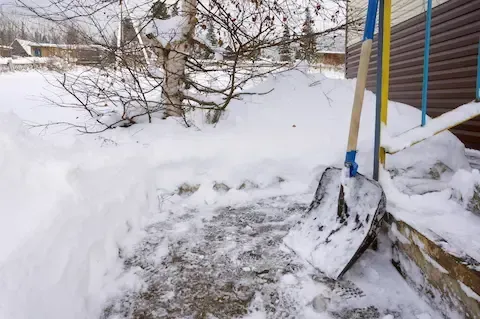
Entrance Snow Clearing for Sioux City Iowa Homeowners
Keeping your front entrance clear of snow protects your family's safety and maintains accessibility during Sioux City's harsh winter months. Proper entrance snow clearing involves strategic timing, the right tools, and understanding how different snow conditions affect your approach. When winter storms hit the Sioux City area, your entrance becomes the critical connection between your home's interior and the outside world, making systematic clearing essential for daily function.
Essential Tools for Entrance Snow Clearing
Effective entrance snow clearing starts with having the right equipment readily available. A quality snow shovel with an ergonomic handle reduces strain during repeated use, while a smaller hand shovel provides precision around door frames and tight corners. Ice melt products formulated for concrete steps prevent damage while ensuring traction, and a stiff-bristled push broom helps remove light snow before it compacts.
Keep tools stored near your entrance but protected from moisture. A covered porch area or garage entry provides ideal storage, ensuring equipment remains accessible even during severe weather. Consider investing in a snow pusher for wider entrance areas, as these tools move snow more efficiently than traditional shovels when dealing with larger surfaces.
For Sioux City homeowners dealing with steep entrance steps, a telescoping snow brush offers extended reach without requiring you to step onto potentially slippery surfaces. Rubber mats with aggressive tread patterns provide immediate traction once the snow is cleared, creating a safer transition zone.
Snow Clearing Sequence and Timing
Begin clearing your entrance as soon as snow accumulation reaches two inches, preventing the formation of ice layers that make removal significantly more difficult. Start from your door and work outward, creating a clear path that extends at least three feet beyond your entrance. This approach ensures you always have a safe retreat path while working.
Clear steps from top to bottom, removing snow completely from each surface before moving to the next level. Entrance Snow Clearing requires attention to corners and edges where snow tends to accumulate and freeze, creating hidden hazards for family members and visitors.
During active snowfall, plan to clear your entrance every four to six hours to prevent accumulation from becoming unmanageable. This frequent maintenance approach reduces the physical effort required and maintains safer conditions throughout the storm duration. Pay special attention to areas where wind creates drifting, as these spots often require more frequent attention.
Handling Different Snow Conditions
Powdery snow moves easily with a push broom or wide shovel, allowing for quick clearing with minimal physical effort. Work systematically to prevent redistributing snow onto already-cleared areas, and take advantage of wind direction to help move light snow away from your entrance.
Wet, heavy snow requires a different approach, with smaller loads per shovel to prevent injury and more frequent breaks to avoid overexertion. Use a chopping motion to break up dense snow before attempting to lift and move it, and consider the weight implications when throwing snow to avoid back strain.
Ice-crusted snow presents the greatest challenge, often requiring an ice chipper or metal-edged shovel to break through the frozen surface layer. Work methodically to avoid damaging concrete steps or entrance surfaces, and apply ice melt products immediately after clearing to prevent reformation.
Ice Prevention and Melting Strategies
Pre-treatment with ice melt products before snowfall begins creates a barrier that prevents ice formation and makes subsequent clearing easier. Apply products according to manufacturer instructions, focusing on step edges and transition areas where ice typically forms first.
Choose ice melt products appropriate for your entrance materials. Calcium chloride works effectively at lower temperatures common in Sioux City winters, while magnesium chloride offers gentler treatment for concrete surfaces. Avoid rock salt on newer concrete, as it can cause surface damage over repeated applications.
Sand provides immediate traction without chemical melting action, making it ideal for situations where ice removal isn't immediately possible. Keep a supply of coarse sand or commercial traction aids available for emergency applications when unexpected ice conditions develop.
Safety Considerations and Best Practices
Wear appropriate footwear with aggressive tread patterns and consider using traction cleats for additional grip on icy surfaces. Layer clothing to allow for temperature regulation as physical exertion increases body heat, and keep hands protected with insulated gloves that maintain dexterity.
Work during daylight hours whenever possible, as adequate visibility prevents accidents and ensures thorough clearing. When nighttime clearing becomes necessary, ensure adequate lighting from porch fixtures or portable work lights to illuminate the entire work area.
Take frequent breaks to prevent overexertion, particularly when dealing with heavy snow conditions. Sidewalk Snow Clearing in Residential areas often connects directly to entrance maintenance, creating a logical workflow that allows for rest periods between tasks.
Listen to your body's signals and stop work if you experience chest pain, excessive shortness of breath, or dizziness. Heart attacks increase during snow clearing activities, particularly among individuals who don't regularly engage in physical activity.
Common Mistakes in Entrance Snow Clearing
Many homeowners wait too long to begin clearing, allowing snow to compact and freeze into difficult-to-remove ice layers. This delay creates more work and increases injury risk, as heavy ice requires significantly more force to remove than fresh snow.
Throwing snow in the wrong direction often creates additional problems, such as blocking drainage areas or creating obstacles near walkways. Plan your snow placement to avoid creating hazards in other areas of your property, and consider drainage patterns that affect spring melting.
Over-application of ice melt products wastes money and can damage vegetation or concrete surfaces. Follow manufacturer guidelines for application rates, and remember that more product doesn't necessarily mean better results.
Neglecting to clear snow from door frames and weather stripping can prevent doors from closing properly and create air leaks that increase heating costs. Pay attention to these detail areas during your clearing routine to maintain your home's energy efficiency.
Local Weather Patterns and Entrance Maintenance
Sioux City's location along the Missouri River creates unique weather patterns that affect snow clearing strategies. Temperature fluctuations around the freezing point create freeze-thaw cycles that turn cleared snow into ice, requiring ongoing maintenance throughout winter months.
Wind patterns in the Loess Hills region often create drifting snow that accumulates against entrance areas, particularly those facing north or west. Understanding your property's exposure to prevailing winds helps you anticipate problem areas and plan clearing schedules accordingly.
The clay soil common throughout the Sioux City area retains moisture longer than sandy soils, creating conditions where ice persists longer on entrance surfaces. This characteristic requires more aggressive ice prevention strategies and longer curing times for ice melt applications.
Professional Considerations and When to Seek Help
Consider professional entrance snow clearing services when physical limitations prevent safe clearing, when travel schedules make regular maintenance impossible, or when property design creates complex clearing challenges. Professional services often include application of commercial-grade ice prevention products and emergency clearing for urgent situations.
Evaluate the cost-benefit relationship between professional services and personal time investment, particularly for homeowners with demanding work schedules or health considerations that make snow clearing difficult. Regular service contracts often provide better value than emergency call-out services.
Property insurance considerations may favor professional snow clearing services, as some policies provide coverage benefits when professional services handle winter maintenance. Check with your insurance provider about potential liability protection and coverage implications.
Long-term Entrance Winter Preparedness
Successful entrance snow clearing extends beyond individual storm events to encompass season-long preparedness strategies. Stock adequate supplies of ice melt products, maintain equipment in working condition, and establish relationships with neighbors for mutual assistance during severe weather events.
Consider seasonal modifications to your entrance area that improve winter functionality. Covered entrance areas, heated mats, or strategic drainage improvements reduce the ongoing maintenance burden while improving safety throughout the winter season.
Document what works best for your specific entrance conditions, including product preferences, timing strategies, and equipment effectiveness. This information helps you refine your approach each season and ensures consistent results regardless of varying weather conditions.
Your entrance serves as the primary access point for family, friends, and service providers throughout Sioux City's winter months. Maintaining clear, safe access requires consistent effort but provides essential functionality and peace of mind during challenging weather conditions.
