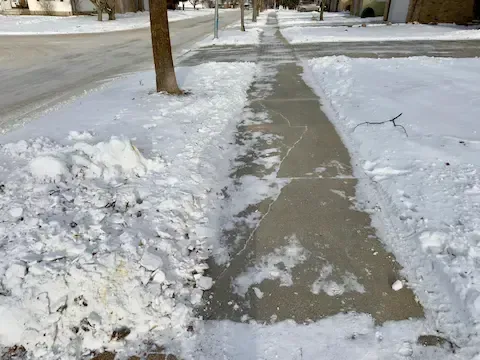
Sidewalk Snow Clearing in Sioux City Residential Areas
Sidewalk snow clearing in Sioux City residential areas involves understanding local ordinances, proper timing, and effective techniques to maintain safe walkways throughout Iowa's harsh winter months. Your responsibility as a homeowner extends beyond your property line to include the public sidewalk adjacent to your home, making proper snow removal both a legal obligation and a community safety priority.
Understanding Sioux City Sidewalk Snow Ordinances
Sioux City municipal code requires property owners to clear sidewalks within 24 hours after snowfall ends. This timeframe applies to all residential areas throughout the city, from the Historic Fourth Street corridor to the developing west side neighborhoods near Singing Hills Boulevard. The ordinance covers the full width of the sidewalk plus a path to the street, ensuring pedestrians have safe passage.
Failure to comply with snow removal requirements can result in fines starting at $75 for first violations. The city may also arrange for snow removal at your expense if you don't clear walkways within the required timeframe. Property owners remain liable for slip-and-fall incidents on uncleared sidewalks, making prompt removal essential for legal protection.
The ordinance applies regardless of weather conditions following the snowfall. Even if temperatures drop and create icy conditions, you're still responsible for making sidewalks passable. This often means applying ice melt or sand after initial snow removal to prevent refreezing and maintain safe walking surfaces.
Optimal Timing for Snow Removal
The most effective approach involves clearing snow multiple times during heavy snowfall rather than waiting for storms to end. When Sioux City experiences the region's common lake-effect snow from nearby Spirit Lake, accumulation can exceed six inches in a few hours. Removing snow every two to three inches prevents compaction and makes the job significantly easier.
Early morning removal works best for overnight snowfall, ideally before 7 AM when foot traffic begins. This timing ensures pedestrians have clear walkways for morning routines while temperatures remain cold enough to prevent melting and refreezing cycles. For afternoon storms, immediate removal after snowfall stops prevents evening foot traffic from packing snow into ice.
Temperature considerations affect removal strategy significantly. When temperatures hover near freezing, focus on complete removal to prevent melting and refreezing overnight. During extremely cold periods below 15°F, you can leave a thin layer of snow for traction, but the walkway must remain navigable for pedestrians including those using mobility aids.
Equipment Selection and Techniques
Standard snow shovels work effectively for most Sioux City sidewalk clearing, but ergonomic models reduce back strain during frequent use. Look for lightweight aluminum or plastic blades with curved handles that allow you to push rather than lift whenever possible. Pusher-style shovels excel for light, powdery snow common in January and February.
Ice scrapers become essential tools for removing packed snow and ice layers. Metal-edged scrapers work best on concrete surfaces, while plastic versions prevent damage to decorative or older sidewalks. Many Sioux City neighborhoods feature aging concrete that chips easily, requiring gentle scraping techniques.
For larger properties or frequent heavy snowfall, consider electric snow blowers designed for sidewalk width. These compact units handle most residential sidewalk clearing efficiently while producing less noise than gas-powered alternatives. Battery-powered models offer convenience for quick clearing sessions without extension cord limitations.
Salt and ice melt products enhance safety but require careful selection. Calcium chloride works effectively in Sioux City's typical winter temperatures down to -10°F, while rock salt becomes ineffective below 20°F. Avoid products containing sodium chloride near landscaping, as spring runoff can damage grass and shrubs along sidewalk edges.
Common Mistakes in Sidewalk Snow Clearing
Many homeowners create drainage problems by piling snow against their homes or blocking storm drains. Snow placement should direct melt water away from foundations and toward appropriate drainage areas. In established Sioux City neighborhoods with mature trees, avoid piling snow around tree bases where salt concentration can damage root systems come spring.
Incomplete clearing represents another frequent error. The ordinance requires clearing the full sidewalk width, typically five feet in residential areas. Leaving narrow paths forces pedestrians into unsafe situations, particularly problematic for parents with strollers or individuals using wheelchairs or walkers navigating Sidewalk Snow Clearing areas throughout the city.
Using excessive salt or ice melt wastes money and harms the environment. A light, even application provides adequate melting action without oversaturation. Concentrated applications in small areas create uneven melting patterns and potential refreezing zones that actually increase slip hazards rather than reducing them.
Timing mistakes compound clearing difficulties significantly. Waiting until snow stops falling before beginning removal allows accumulation to exceed manageable levels. Similarly, attempting removal during active snowfall in windy conditions proves inefficient as cleared areas quickly fill again before you complete the full sidewalk length.
Special Considerations for Sioux City Weather Patterns
Sioux City's location in the Loess Hills region creates unique weather patterns affecting snow removal strategies. The rolling terrain common in neighborhoods like Indian Hills and Leeds can create wind tunnels that deposit extra snow in specific areas while leaving other sections relatively clear. Understanding your property's exposure helps predict problem areas requiring extra attention.
The city's proximity to the Missouri River influences humidity levels that affect snow consistency. Higher humidity creates heavier, wetter snow that's more difficult to move but less likely to blow around after removal. Lower humidity produces lighter snow that moves easily but may redistribute across cleared walkways in windy conditions.
Temperature fluctuations common in late winter create challenging ice conditions. Daytime warming followed by overnight freezing turns cleared sidewalks into skating rinks without proper ice management. Keep sand or ice melt readily available during these transitional periods for emergency applications when temperatures drop unexpectedly.
Professional Considerations and Services
Some Sioux City homeowners choose professional snow removal services, particularly elderly residents or those with mobility limitations. Professional services typically include sidewalk clearing as part of comprehensive snow removal packages that also address Driveway Snow Clearing for Homeowners and other walkway maintenance throughout the winter season.
When hiring professionals, verify they understand local ordinance requirements and timing restrictions. Services should guarantee compliance with the 24-hour removal rule and provide emergency clearing for unexpected storms. Many reputable companies offer seasonal contracts that include unlimited service calls during heavy snow periods.
Professional equipment allows for faster, more thorough clearing than most homeowner tools. Commercial-grade blowers and specialized ice removal tools handle challenging conditions more effectively while reducing physical strain. However, professional services cost significantly more than do-it-yourself approaches, typically ranging from $300 to $800 per season depending on property size and service frequency.
Long-term Sidewalk Maintenance
Proper snow removal contributes to sidewalk longevity by preventing freeze-thaw damage that creates cracks and surface deterioration. Allowing snow and ice to accumulate repeatedly causes expansion and contraction cycles that accelerate concrete aging, particularly problematic in Sioux City's variable winter climate.
Spring preparation involves cleaning debris and salt residue from sidewalk surfaces to prevent staining and deterioration. Power washing removes accumulated grime while allowing inspection for winter damage requiring repair. Prompt crack sealing prevents water infiltration that causes additional freeze damage in subsequent winters.
Consider sidewalk modifications that improve winter maintenance efficiency. Slight grading adjustments direct water away from walking surfaces, while textured finishes provide better traction during icy conditions. These improvements require professional installation but reduce long-term maintenance burden while enhancing safety for pedestrians navigating your property's walkways year-round.
