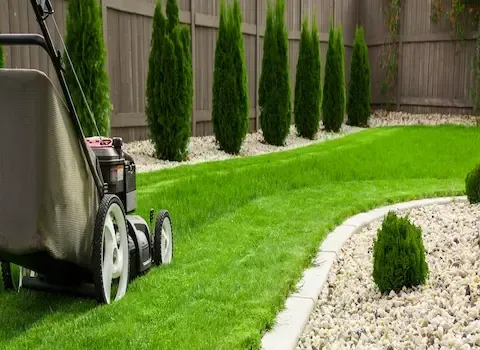
Lawn Mowing Practices for Sioux City Iowa Homeowners
Maintaining a healthy, attractive lawn in Sioux City requires understanding the unique challenges of Iowa's climate and soil conditions. Your mowing practices directly impact grass health, root development, and overall curb appeal throughout the growing season. Proper technique, timing, and equipment maintenance create the foundation for a thriving lawn that withstands seasonal temperature fluctuations and precipitation patterns common to western Iowa.
Essential Mowing Height Guidelines for Iowa Grass Types
Cool-season grasses dominate Sioux City lawns, including Kentucky bluegrass, tall fescue, and perennial ryegrass. These varieties require specific cutting heights to maintain optimal health and drought resistance. Set your mower to cut Kentucky bluegrass between 2.5 to 3.5 inches, allowing the grass to develop deeper root systems that access moisture during dry spells common in late summer.
Tall fescue performs best when maintained at 3 to 4 inches, providing natural shade for the soil surface and reducing water evaporation. This height also helps the grass compete effectively against weeds that struggle in shaded conditions. Perennial ryegrass should be cut to 2 to 3 inches, balancing density with heat tolerance during Iowa's variable summer temperatures.
Never remove more than one-third of the grass blade length in a single cutting session. This rule prevents shock to the grass plants and maintains their ability to photosynthesize effectively. When grass grows beyond optimal height due to weather delays or equipment issues, gradually reduce height over multiple mowing sessions rather than cutting drastically in one pass.
Seasonal Mowing Frequency and Timing Adjustments
Spring mowing in Sioux City typically begins in late March or early April, depending on soil temperature and grass growth activation. Start with a slightly lower cutting height for the first mow to remove winter damage and encourage new growth. Increase frequency to every 5-7 days during peak spring growth periods when temperatures consistently reach 60-70 degrees Fahrenheit.
Summer mowing requires adjustment for heat stress and potential drought conditions. Raise cutting heights by half an inch to provide additional shade and moisture retention. Lawn Mowing frequency may decrease to every 7-10 days during hot, dry periods when grass growth naturally slows. Early morning mowing reduces stress on both grass and equipment while avoiding afternoon heat peaks.
Fall mowing continues until grass stops growing, typically extending into November in western Iowa. Maintain consistent cutting heights through early fall, then gradually lower for the final mow to prevent snow mold development under winter snow cover. The last mow should occur when grass growth essentially stops but before ground freeze.
Blade Maintenance and Equipment Considerations
Sharp mower blades create clean cuts that heal quickly and resist disease infiltration. Dull blades tear grass tissue, creating brown, frayed edges that provide entry points for fungal infections common in Iowa's humid conditions. Inspect blade sharpness regularly by examining cut grass tips immediately after mowing. Clean cuts appear uniform, while torn grass shows irregular, brownish edges.
Professional blade sharpening should occur at least twice per growing season, with additional sharpenings needed for large properties or frequent use. Remove blades carefully and mark their orientation for proper reinstallation. Balanced blades reduce vibration and extend engine life while providing consistent cutting performance.
Mulching mowers work effectively in Sioux City conditions when grass clippings are short and dry. Mulched clippings return nitrogen to the soil and reduce fertilizer requirements. However, bag clippings during wet periods or when cutting overgrown grass to prevent clumping and thatch buildup. Side-discharge mowers provide efficient cutting for larger properties but require attention to clipping distribution patterns.
Weather-Related Mowing Decisions and Adaptations
Iowa weather patterns significantly influence mowing schedules and techniques. Avoid mowing wet grass, which creates clumping, promotes disease spread, and damages soil through compaction. Wait for grass blades to dry completely, typically requiring 2-3 hours after rain or heavy dew. Wet conditions also increase slip hazards and reduce mower traction on slopes.
Hot weather mowing requires strategic timing and height adjustments. Mow during cooler morning hours when possible, avoiding peak afternoon temperatures above 85 degrees. Stressed grass shows immediate wilting when cut during extreme heat, leading to brown patches and recovery delays. Consider skipping mowing entirely during heat waves exceeding 90 degrees with low humidity.
Wind conditions affect both mowing efficiency and safety. Strong winds scatter clippings unevenly and make precise cutting difficult. Crosswinds can blow debris into the operator's face and reduce visibility. Plan mowing routes to work with prevailing winds when possible, directing discharge away from completed areas and neighboring properties.
Common Mowing Mistakes and Prevention Strategies
Scalping represents the most damaging mowing mistake, occurring when grass is cut too short and exposes soil or crown tissue. This typically happens on uneven terrain, with dull blades, or when attempting to correct overgrown grass in one session. Scalped areas turn brown immediately and require weeks to recover, often allowing weed infiltration during the healing period.
Mowing patterns should vary weekly to prevent soil compaction and grass grain development. Consistent directional mowing creates ruts in soft soil and causes grass to lean permanently in the cutting direction. Alternate between perpendicular patterns, diagonal cuts, and circular patterns to promote upright growth and even wear distribution.
Ignoring seasonal growth rate changes leads to either scalping during rapid growth or infrequent cutting during slower periods. Adjust mowing frequency based on actual grass growth rather than calendar schedules. Cool, wet springs may require twice-weekly mowing, while hot, dry summers may extend intervals to 10-14 days between cuts.
Soil Health and Mowing Impact Considerations
Mowing when soil is saturated causes compaction that restricts root development and water infiltration. Sioux City's clay-rich soils are particularly susceptible to compaction damage. Test soil moisture by walking on the lawn – if footprints remain visible or water pools in depressions, delay mowing until conditions improve.
Grass clipping management affects soil nutrition and organic matter content. Properly mulched clippings decompose quickly and provide equivalent nutrition to one fertilizer application per season. However, excessive thatch buildup from poor mulching practices blocks water and air movement to roots. Monitor thatch depth annually and consider dethatching when accumulation exceeds half an inch.
Slope mowing requires special attention to prevent soil erosion and ensure operator safety. Mow slopes perpendicular to the incline when possible, maintaining steady speeds to prevent wheel spinning. Steep slopes exceeding 15 degrees may require specialized equipment or professional maintenance to prevent accidents and turf damage.
Professional Service Integration and Maintenance Support
Professional lawn care services provide valuable support during challenging periods or for property owners lacking time or equipment. Evaluate service providers based on local experience, proper licensing, and equipment quality. Professional services often include additional treatments like fertilization, weed control, and seasonal cleanup that complement regular mowing routines.
Combining DIY mowing with professional seasonal services creates cost-effective lawn care solutions. Many Sioux City homeowners handle weekly mowing independently while contracting spring cleanup, fertilization programs, and fall preparation services. This approach maintains personal control over routine maintenance while accessing specialized expertise for complex treatments.
Equipment rental options provide access to professional-grade tools for specific situations. Aerators, dethatchers, and specialized mowers can be rented for seasonal maintenance tasks without major equipment investments. Entrance Snow Clearing for Homeowners services often extend into comprehensive property maintenance throughout the year, creating convenient single-source relationships.
Long-Term Lawn Health and Sustainable Practices
Sustainable mowing practices contribute to environmental health while reducing maintenance costs over time. Grasscycling eliminates bagging requirements and reduces landfill waste while returning nutrients naturally. Sharp blades reduce fuel consumption and engine wear, extending equipment life and reducing replacement frequency.
Native grass alternatives require less frequent mowing and provide superior drought tolerance compared to traditional lawn varieties. Buffalo grass, blue grama, and other native species adapted to Iowa conditions may eliminate mowing entirely during dormant periods while maintaining acceptable appearance for most residential applications.
Integrated pest management approaches combine proper mowing with targeted treatments only when necessary. Healthy grass maintained at appropriate heights naturally resists many common weeds and diseases, reducing chemical intervention requirements. Regular soil testing guides fertilization decisions and prevents overfeeding that promotes excessive growth and increased mowing demands.
Technology integration through smart mowing equipment, weather monitoring apps, and growth tracking tools optimizes maintenance schedules while reducing guesswork. Robotic mowers programmed for specific grass types and local conditions provide consistent maintenance with minimal operator intervention, though initial investment costs remain significant for most residential applications.
