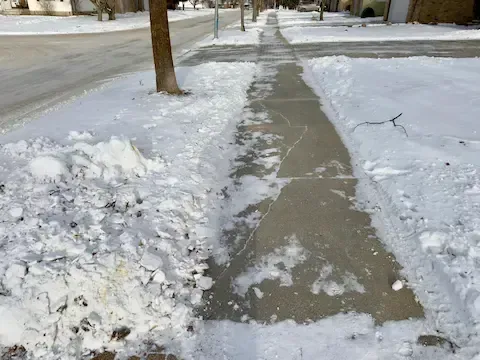
Mid-Winter Sidewalk Clearing Tactics in Sioux City
February in Sioux City is a different animal than December. The novelty of the first snowfall is long gone, and what you're left with is layer upon layer of compacted snow, ice that has bonded to concrete over weeks, and sidewalks that look more like skating rinks than walkways. Mid-winter sidewalk clearing requires a different mindset than the fresh-snow shoveling you did back in November. The ice is older, the pack is denser, and standard approaches often fall short. Understanding what actually works during the deep freeze months can make the difference between a safe path and a liability waiting to happen.
Why Mid-Winter Ice Is Harder to Clear
When snow falls in December, it's usually manageable. You shovel it promptly, maybe throw down some salt, and you're done. By February, the situation on Sioux City sidewalks looks very different. Multiple freeze-thaw cycles have compressed snow into dense ice that has essentially fused with the concrete surface. That bonded layer doesn't respond the way fresh snow does.
The science behind it is straightforward. Each time temperatures rise slightly during the day and drop again at night, water seeps into micro-pores in the concrete and refreezes. Over several weeks, this creates a stubborn layer that's nearly impossible to chip off with a standard shovel. What you're dealing with is more like removing a thin sheet of glass than clearing loose snow. This is especially true in areas of Sioux City near the Missouri River, where humidity and temperature swings through the season create particularly aggressive ice formation on walkways.
The Right Tools for Pack and Ice in Late-Season Conditions
Your regular flat-blade shovel is not the right tool for this job. Mid-winter clearing calls for a different toolkit:
- Ice choppers — A steel-bladed ice chopper (sometimes called an ice scraper bar) allows you to apply downward force to break the bond between ice and concrete. It's the most effective manual tool for compacted pack.
- Flat-edged metal scrapers — These work for getting under the broken chunks and clearing them from the surface after chopping.
- Push brooms — Once you've broken the ice loose, a stiff push broom helps clear fine particles without re-scattering them onto the cleared path.
- Ice melt with calcium chloride — Unlike standard rock salt, calcium chloride works at temperatures down to -25°F and generates heat as it dissolves, which actively attacks the ice bond. This matters in Sioux City winters where temperatures regularly drop into single digits or below in January and February.
Avoid using straight rock salt (sodium chloride) when temperatures are below 15°F. It simply stops being effective and can give you a false sense of security while the surface remains dangerously slick.
Timing Your Refresh Clearing Sessions
In mid-winter, clearing isn't a one-and-done event after each snowfall. Even without new snow, you need to actively monitor and refresh your sidewalk clearing. Here's a practical schedule approach:
After each new snowfall, clear within the timeframe required by Sioux City ordinance — typically within 24 hours after the snow stops. But beyond that, build in a standing mid-week check even on no-snow days. Temperature fluctuations, foot traffic compressing residual snow, and blowing snow drifting back onto cleared areas all create new hazards between storm events.
Early morning is the most dangerous time. Overnight temperatures drop and anything that melted slightly during the afternoon refreezes into a smooth, invisible sheet. If you apply ice melt in the late afternoon on days when temperatures will drop overnight, you give the product time to work before the overnight freeze locks the surface again. This proactive application is one of the most effective mid-winter strategies available. For more on legal timing obligations, see When Must Sidewalks Be Cleared for details on local requirements.
Slip Prevention Beyond Clearing
Even with diligent clearing, completely bare concrete in February is sometimes not achievable. Residual ice that remains after aggressive chopping and product application needs a traction layer. Sand and fine gravel applied lightly over the surface give pedestrians grip without depending on melt-down. This is particularly useful along high-foot-traffic stretches in areas like the downtown Sioux City corridor or near school zones where morning and afternoon pedestrian volume is heavy.
Keep sand application light — a heavy application gets tracked inside, creates a slipping hazard once it clumps, and washes into storm drains when things thaw in March. A thin, even coating is all you need for meaningful traction improvement.
One common mistake property owners make in mid-winter is over-applying ice melt products out of frustration when ice doesn't disappear immediately. Excessive product doesn't speed up results — it wastes money, damages concrete over time, and can harm surrounding lawn areas when it runs off. Follow product label rates and give it 20–30 minutes to work before evaluating.
Protecting Your Concrete During Aggressive Clearing
The same freeze-thaw cycle that bonds ice to your sidewalk also stresses the concrete itself. Aggressive ice chopping with a metal blade can chip or crack surfaces that are already weakened. Use controlled, angled strikes rather than straight-down blows when possible. If your sidewalk has visible cracks or spalling from previous winters, be especially careful — forced impacts can break off concrete chunks that become their own trip hazards.
Sioux City's older residential neighborhoods, particularly in the North Riverside and Morningside areas, have aging sidewalk infrastructure that is more vulnerable to surface damage during aggressive winter clearing. Knowing when to ease back and rely more on chemistry (ice melt products) than physical force is important for preserving the surface through the season.
When to Call in Professional Help
Some mid-winter situations genuinely call for professional clearing services. If you're managing commercial property with extended sidewalk runs, a rental property with tenant safety obligations, or simply a stretch of walkway that has built up beyond what manual clearing can address, bringing in a crew with the right equipment saves time and reduces liability.
Professional crews working in Sioux City have access to commercial ice removal equipment that can break and clear pack far faster than manual methods. They also carry appropriate products in bulk, reducing the cost-per-application compared to consumer retail bags. If your sidewalk situation has gotten away from you mid-season, there's no reason to struggle through it alone when professional Sidewalk Snow Clearing services are available locally.
Keeping Up Through the Final Stretch
Mid-winter feels relentless because it is. Sioux City's February weather rarely offers a clean break — you get a few warmer days followed by another hard freeze. The properties that maintain safe sidewalks through the final stretch of winter are the ones staying consistent. Small regular efforts beat trying to recover from a fully iced-over walkway once it's past a certain point. Keep your tools accessible, check your ice melt supply before the next storm, and stay ahead of overnight refreezes. The worst of winter is temporary — and a sound mid-winter clearing routine gets you through it safely.
