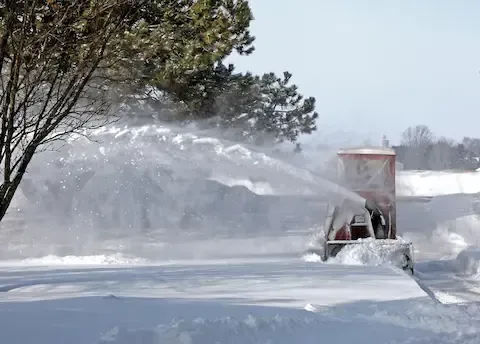
Year-Round Property Snow Planning for Sioux City Iowa
Effective snow planning for large properties in Sioux City requires strategic preparation that extends far beyond the winter months. Property managers and homeowners who implement year-round snow management strategies consistently achieve better outcomes, reduced costs, and fewer emergency situations during Iowa's unpredictable winter weather patterns.
Spring Planning and Equipment Assessment
March and April present the ideal window for evaluating your property's snow management performance from the previous winter. Document areas where snow accumulated problematically, identify drainage issues that emerged during spring melt, and note any damage to walkways, driveways, or landscaping caused by snow removal equipment or ice buildup.
Professional equipment maintenance should begin immediately after the last snowfall. Snow blowers require thorough cleaning, oil changes, and storage preparation. Salt spreaders need inspection for corrosion and mechanical wear. Properties relying on Snow Removal services should schedule post-season reviews with contractors to discuss performance and plan improvements for the following year.
Spring also offers the best pricing for snow removal contracts. Sioux City contractors typically offer early-bird discounts of 10-15% for properties that commit to services before summer arrives. This timing allows property managers to secure preferred contractors before the competitive fall rush begins.
Summer Preparation and Infrastructure Improvements
June through August provides optimal conditions for addressing infrastructure improvements that impact winter snow management. Concrete repairs, drainage system upgrades, and walkway modifications should be completed during warm weather when materials cure properly and contractors have greater availability.
Large properties benefit from installing permanent snow management infrastructure during summer months. Heated walkway systems, strategic snow storage areas, and improved lighting for night-time snow removal operations require extensive planning and installation time that summer weather accommodates.
Equipment procurement should occur during summer when inventory levels remain high and prices stay stable. Snow blowers, salt supplies, and backup equipment purchases completed in July typically cost 20-30% less than emergency purchases made in December when supplies become scarce across Iowa.
Fall Contract Finalization and System Testing
September and October represent critical months for finalizing snow removal contracts and testing all systems before winter arrives. Property managers should conduct comprehensive walkthroughs with contracted snow removal services, establishing clear priorities for different areas of the property and confirming emergency contact procedures.
Equipment testing should include full operational checks of all snow removal machinery, backup power systems for automated equipment, and communication systems used to coordinate snow removal activities. Snow Removal Strategies for Winter become more effective when all equipment operates reliably from the first snowfall.
Fall planning should address staffing considerations for properties that handle snow removal internally. Training programs for new staff members, refresher courses for returning team members, and coordination with local suppliers for salt and sand deliveries ensure smooth operations when winter weather begins.
Budget Planning and Cost Management Strategies
Year-round snow planning enables more accurate budget forecasting and cost control throughout the winter season. Properties that establish fixed-rate contracts during summer months avoid the price volatility that affects emergency snow removal services during peak winter periods.
Effective budgeting includes provisions for equipment maintenance, fuel costs, salt and sand supplies, and potential overtime expenses for extended snow events. Sioux City properties typically allocate 15-25% additional budget beyond base contract costs to handle unexpected severe weather events that require extended service periods.
Insurance considerations should be reviewed annually as part of comprehensive snow planning. Liability coverage for snow removal activities, equipment insurance for owned machinery, and coverage verification for contracted services protect property owners from financial exposure during winter operations.
Local Weather Pattern Analysis
Sioux City's continental climate creates specific challenges for snow management planning. The city typically experiences 25-35 inches of snowfall annually, with the heaviest accumulations occurring between December and February. However, early season storms in November and late season events in March can catch unprepared properties off-guard.
Historical weather data shows that Sioux City properties face approximately 15-20 snow removal events per season, ranging from light dustings to major storms exceeding 8 inches. This variability requires flexible planning that accommodates both routine maintenance and emergency response capabilities.
Microclimate considerations within Sioux City affect snow accumulation patterns across different neighborhoods. Properties near the Missouri River often experience different snow conditions compared to elevated areas, requiring customized approaches based on specific location factors.
Professional Service Integration
Successful year-round snow planning integrates professional services strategically throughout the planning cycle. Early season contractor engagement allows property managers to secure preferred service providers and negotiate favorable terms before winter demand increases.
Professional snow removal services offer valuable expertise in equipment selection, chemical application rates, and efficient clearing patterns that minimize property damage while maximizing safety. Established relationships with qualified contractors provide reliability during critical winter weather events.
Service agreements should specify response times, performance standards, and communication protocols that ensure consistent service delivery throughout the winter season. Clear expectations established during off-season planning prevent misunderstandings during high-stress winter operations.
Long-term Property Protection
Year-round snow planning protects property values through consistent maintenance and damage prevention strategies. Properties with well-executed snow management plans experience less concrete damage, reduced slip-and-fall liability, and improved tenant satisfaction compared to reactive approaches.
Comprehensive planning addresses the relationship between snow management and other property systems. Proper drainage prevents ice dam formation, adequate lighting improves safety during snow removal operations, and strategic landscaping reduces snow drift problems in critical areas.
Investment in quality snow management planning typically returns value through reduced emergency repair costs, lower insurance claims, and improved property marketability. Sioux City properties with documented snow management plans often command premium rents and sale prices compared to properties with reactive winter maintenance approaches.
